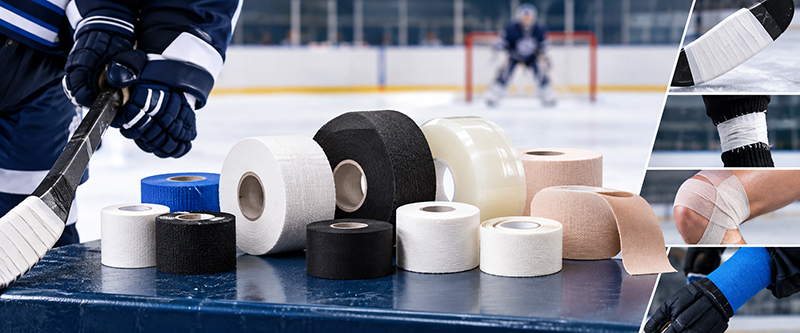
Troverete sempre una pila di prodotti puliti, nastro di ossido di zinco bianco in qualsiasi sala di allenamento professionale, sia che si tratti delle luci brillanti dell'NBA o del duro lavoro a bordo campo di un campo da rugby locale. Negli ultimi anni, l'originale, nastro sportivo rigido per atletica è ancora il modo migliore per mantenere stabili le articolazioni.
Ma cos'è che rende questo nastro così speciale? Non è solo il colore o il tessuto, ma anche la chimica della colla e la forza della trama. Per gli atleti e gli allenatori, il nastro all'ossido di zinco bianco è il partner silenzioso di ogni touchdown, goal e record personale.
Cosa rende il nastro all'ossido di zinco bianco il miglior nastro per lo sport?
Per capire perché questo nastro è così diffuso negli spogliatoi è necessario analizzare le due parti principali: il supporto in cotone e l'adesivo all'ossido di zinco.
Il nastro bianco all'ossido di zinco non si allunga come i nastri kinesiologici “elastici”. Ciò significa che non si piega quando si esercita una pressione su di esso. Avvolgere un'articolazione con questo nastro sportivo atletico crea un secondo scheletro all'esterno dell'articolazione. Questo è importante per “bloccare” un'articolazione in un range di movimento sicuro, in modo da non farsi male, come nel caso di distorsioni o iperestensioni.
L'elemento “ossido di zinco” è la colla. L'ossido di zinco è un minerale naturale che viene aggiunto alla colla per una serie di motivi:
Migliore adesione: Crea un'adesione così forte da rimanere “appiccicosa” anche se esposta al calore e al sudore di una partita di 90 minuti.
Protezione della pelle: L'ossido di zinco ha moderate caratteristiche antibatteriche e antinfiammatorie, quindi è molto più delicato sulla pelle rispetto alle colle industriali. Questo riduce la possibilità di “bruciature da nastro adesivo”.”
Resistenza all'acqua: I nastri all'ossido di zinco di alta qualità sono realizzati per resistere anche in condizioni di umidità, bagnato o fango.
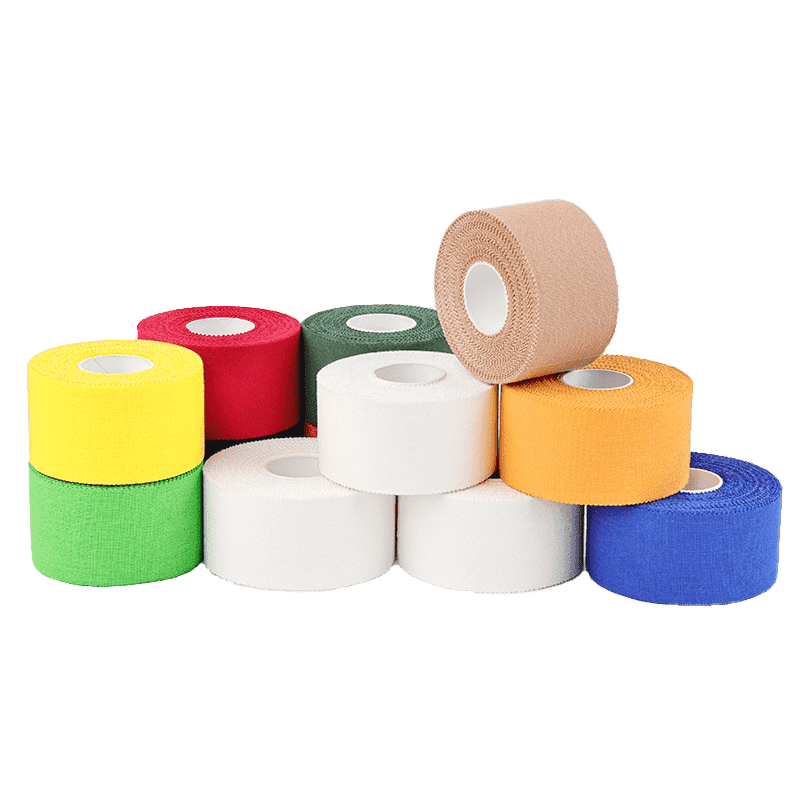
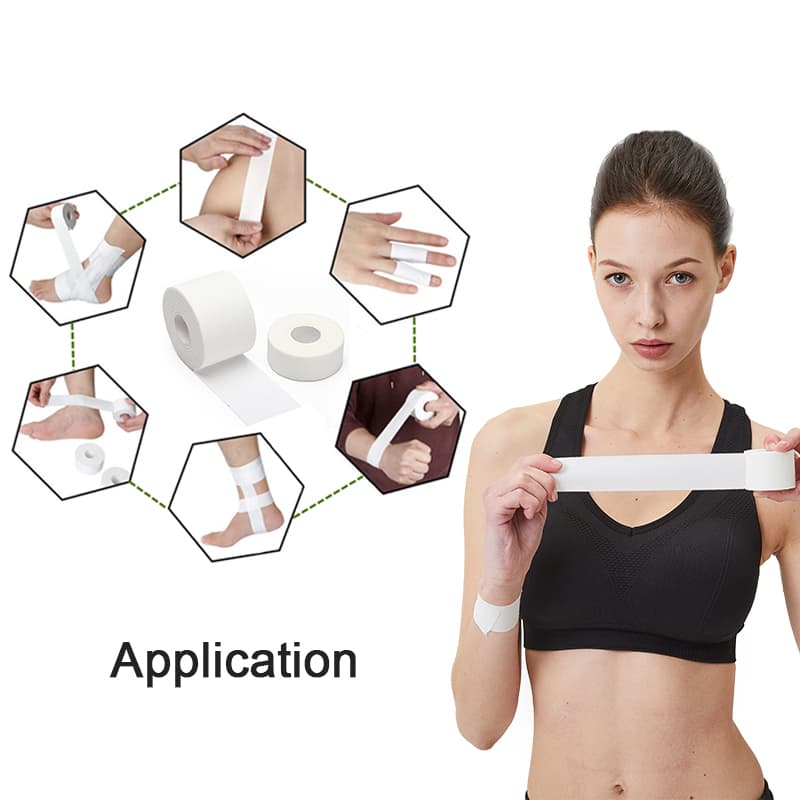
Tre usi professionali del nastro all'ossido di zinco bianco nella medicina dello sport
In un ambiente professionale, il nastro sportivo viene applicato con grande attenzione. Ecco tre esempi reali di come i migliori allenatori utilizzano il nastro all'ossido di zinco bianco:
1. La cavigliera protettiva
L'infortunio più comune in sport come il basket e il calcio è la “distorsione da inversione”, che si verifica quando la caviglia rotola verso l'interno. Gli allenatori eseguono un bendaggio ad “otto” e un “blocco del tallone” con un nastro di ossido di zinco bianco. Il nastro è rigido e impedisce alla caviglia di rotolare oltre il suo limite naturale. Si tratta di una rete di sicurezza per gli atleti che eseguono curve veloci.
2. Stabilizzazione delle dita e dei pollici (il “Buddy Tape”)
Gli infortuni alle dita capitano spesso agli arrampicatori, giocatori di pallavolo, e i guardalinee del calcio. L'allenatore può “legare” un dito danneggiato a uno sano con piccole strisce di nastro adesivo bianco all'ossido di zinco. La qualità rigida del nastro sportivo mantiene l'articolazione ferita in linea, in modo che il giocatore possa continuare a giocare senza rischiare un secondo strappo.
3. Tracciamento rotuleo per il dolore al ginocchio
Il nastro di ossido di zinco bianco è ampiamente utilizzato da atleti di calcio con “Il ginocchio del corridore”per spostare la rotula in una posizione migliore nel corpo. Il nastro mantiene l'articolazione “allineata” in modo appropriato nel suo solco, mettendo un'ancora rigida all'esterno del ginocchio e tirando la rotula verso il centro. In questo modo il movimento diventa subito meno doloroso.
Come usare il nastro atletico sportivo nel modo giusto per ottenere il massimo sostegno
Se non si utilizza correttamente il miglior nastro all'ossido di zinco bianco, non funzionerà. Per ottenere i migliori risultati, seguite le “regole d'oro” dei professionisti:
Prima di iniziare, assicurarsi che la pelle sia pulita, asciutta e priva di peli. Molti esperti utilizzano un “pre-wrap”, ovvero un piccolo strato di schiuma, per proteggere la pelle dalla potente colla, soprattutto se l'atleta deve essere nastrato ogni giorno.
Non lasciate che si verifichi l'effetto “laccio emostatico”: Il nastro deve essere stretto, ma non così tanto da bloccare il flusso sanguigno. Dopo il confezionamento, controllate sempre se le mani o i piedi sono intorpiditi o formicolanti.
Utilizzare il metodo dello “strappo a mano”: Il nastro all'ossido di zinco bianco di alta qualità deve essere facile da strappare a mano. I professionisti non usano le forbici mentre giocano; si affidano ai bordi dentellati del nastro per tagliare strisce dritte e ordinate.
Scegliere il nastro sportivo giusto
Quando si cerca un nastro per una squadra o una clinica, l'opzione “economica” è spesso la più costosa alla fine. Quando un atleta inizia a sudare, i nastri di bassa qualità tendono a “strisciare” (allontanarsi dalla posizione iniziale), rendendo inutile il supporto.
Per scegliere il miglior nastro all'ossido di zinco bianco, verificare che:
Resistenza alla trazione: Il tessuto deve essere difficile da rompere in lunghezza, ma semplice da strappare in larghezza.
L'adesivo deve essere distribuito uniformemente su tutto il retro del nastro, senza “vuoti” o “grumi”.”
Traspirabilità: i nastri di alta qualità hanno una trama che lascia passare l'aria, importante per le sessioni che durano ore.
In conclusione, le basi della sicurezza degli atleti
Il nastro all'ossido di zinco bianco è un must per chi si allena per lavoro o per hobby. Fornisce alle articolazioni il supporto forte e inflessibile di cui hanno bisogno quando sono sotto pressione. Scegliendo un nastro sportivo ad alte prestazioni, non si protegge solo un'articolazione, ma l'intera stagione.