Cinta terapéutica kinesiológica antes sólo lo utilizaban los atletas profesionales, pero ahora es habitual entre los aficionados al ejercicio, gracias a lo rápido que están cambiando la medicina deportiva y la rehabilitación. Pero para los compradores de empresa a empresa, como los mayoristas clínicos y los propietarios de marcas minoristas, el mercado tiene muchas opciones que pueden resultar difíciles de entender.
La diferencia más importante es la que existe entre la cinta adhesiva “normal” y la cinta adhesiva “de calidad médica”. A primera vista, pueden parecer iguales, pero hay grandes cambios en la materia prima. materiales utilizado, la seguridad del adhesivo y el cumplimiento de las normas. Como una de las mejores empresas que fabrican cinta adhesiva deportiva profesional, aupcon puede ayudarle a entender estas diferencias para que pueda tomar decisiones de compra inteligentes.
1. Biocompatibilidad frente a adhesividad industrial en la química de los adhesivos
Lo principal que diferencia a la cinta terapéutica kinesiológica es el pegamento. Para conseguir el mejor “tack”, las cintas normales suelen utilizar pegamentos acrílicos genéricos, que pueden provocar quemaduras químicas o dermatitis alérgicas de contacto si se usan durante los 3-5 días sugeridos.
Grado médico: El pegamento acrílico utilizado en estas cintas terapéuticas de kinesiología es hipoalergénico y de grado médico. También son biocompatibles. Según las directrices ISO 10993, se comprueba su citotoxicidad e irritación cutánea.
Lo bueno de Aupcon es que utilizamos un pegamento sensible a la presión, sin látex, que funciona cuando el calor corporal incide sobre él. Esto asegura que la unión sea fuerte y se mantenga suave en la piel, incluso cuando sudas mucho o haces deportes acuáticos.
2. Ingeniería de tejidos: La norma para la elasticidad 160%
La cinta terapéutica kinesiológica de calidad médica debe tener el mismo grosor y flexibilidad que la piel humana (la epidermis).
La cinta normal está hecha de tejidos de algodón de baja densidad o fibras sintéticas que son muy flexibles y pierden su “retroceso” al cabo de unas horas. Por este motivo, la cinta es solo estética y no es realmente útil para el flujo linfático.
Grado médico: Las buenas cintas terapéuticas de kinesiología, como las fabricadas por Aupcon, tienen una mezcla exacta de 97% de algodón y 3% de spandex (elastano). Esto proporciona a la cinta un estiramiento longitudinal constante de 160% a 180%, lo que garantiza el efecto de “elevación” necesario para aliviar el dolor y mejorar el flujo sanguíneo.
3. Certificaciones: ¿Por qué son importantes la CE, la FDA y la ISO en el B2B?
La conformidad es imprescindible para clientes profesionales como hospitales, clínicas de fisioterapia y distribuidores extranjeros. Es muy peligroso utilizar cinta terapéutica kinesiológica que no haya sido aprobada en un entorno clínico.
Registro en la FDA: Esto garantiza que el producto está catalogado como dispositivo médico de clase I, lo que significa que cumple las normas de seguridad para el mercado estadounidense.
El marcado CE es obligatorio en el Espacio Económico Europeo. Demuestra que la empresa que ha fabricado el producto ha comprobado que cumple las normas de la UE sobre seguridad, salud y medio ambiente.
En lo que respecta a los sistemas de control de calidad de productos sanitarios, la norma ISO 13485 es la regla de oro.
La promesa de Aupcon: Como mayorista autorizado de esparadrapo deportivo, Aupcon cuenta con las certificaciones CE, FDA e ISO. Esto proporciona a nuestros socios extranjeros la documentación necesaria para facilitar el despacho de aduanas y la confianza de los pacientes.
Preguntas con mucho tráfico: Cómo elegir la cinta terapéutica kinesiológica adecuada
¿La cinta terapéutica kinesiológica de uso médico es siempre impermeable?
La mayoría de las cintas médicas buenas son impermeables, lo que significa que aguantan los baños y el sudor. Los nadadores profesionales, por su parte, prefieren las cintas médicas sintéticas a las de algodón porque se secan más rápido y mantienen su forma incluso cuando están completamente sumergidas.
Si tengo la piel sensible, ¿puedo seguir utilizando la cinta kinesiológica normal?
No es una buena idea. Muchas cintas normales contienen pequeñas cantidades de látex o fuertes estabilizadores químicos. Elige siempre cinta terapéutica kinesiológica hipoalergénica para niños o personas mayores, para evitar que se les pele la piel o les salgan sarpullidos.
¿Por qué las distintas tiendas cobran importes diferentes por el esparadrapo kinesiológico?
La diferencia de precio suele deberse al elevado coste de los adhesivos de calidad médica y del tejido de alta densidad que debe probarse en laboratorio. Si compra directamente a una empresa como Aupcon, se ahorra los sobreprecios de los intermediarios y obtiene calidad médica a precios al por mayor competitivos.
4. Personalización y venta al por mayor: hacer que su marca
Aupcon ofrece a los clientes B2B que desean introducirse en el mercado algo más que un producto; les damos una opción OEM/ODM completa.
Marca privada: Podemos poner su logotipo en la cinta terapéutica de kinesiología, el papel antiadherente y las cajas en las que viene.
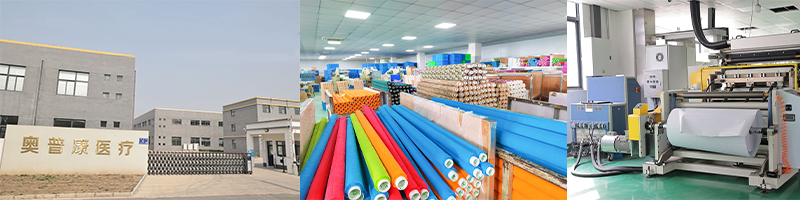
Especificaciones personalizadas: Nuestras instalaciones de 13.000 metros cuadrados pueden gestionar grandes pedidos de cinta kinesiológica a granel muy rápidamente, tanto si necesita rollos gigantes para un taller como tiras precortadas para las tiendas.
Logística global: Le ayudamos con todo, desde las pruebas de diseño hasta los trámites aduaneros, porque llevamos más de diez años en el comercio exterior.
La calidad es la mejor manera de recuperar el rumbo
Una pegatina que diga “grado médico” en la cinta terapéutica de kinesiología significa que es segura, eficaz y que durará mucho tiempo. Puedes asegurarte de que tus atletas y pacientes reciben la ayuda que necesitan eligiendo un fabricante que dé prioridad a un estricto control de calidad y a certificaciones internacionales.
Aupcon quiere ser su socio estratégico en el ámbito de la salud deportiva. Como tratamos directamente con la fábrica, puede estar seguro de que los productos que vende son de alta calidad y seguros para la piel de sus clientes.