Vendajes cohesivos para los dedos ayudan a prevenir lesiones en los dedos de las manos y los pies cuando el vendaje los aprieta “demasiado”. Aunque existen otros métodos, los vendajes cohesivos para los dedos gozan de gran popularidad y suelen utilizarlos tanto los deportistas como las personas que se están iniciando en el deporte. Descubre más sobre estos vendajes en este artículo.
¿Qué es un vendaje cohesivo para los dedos?
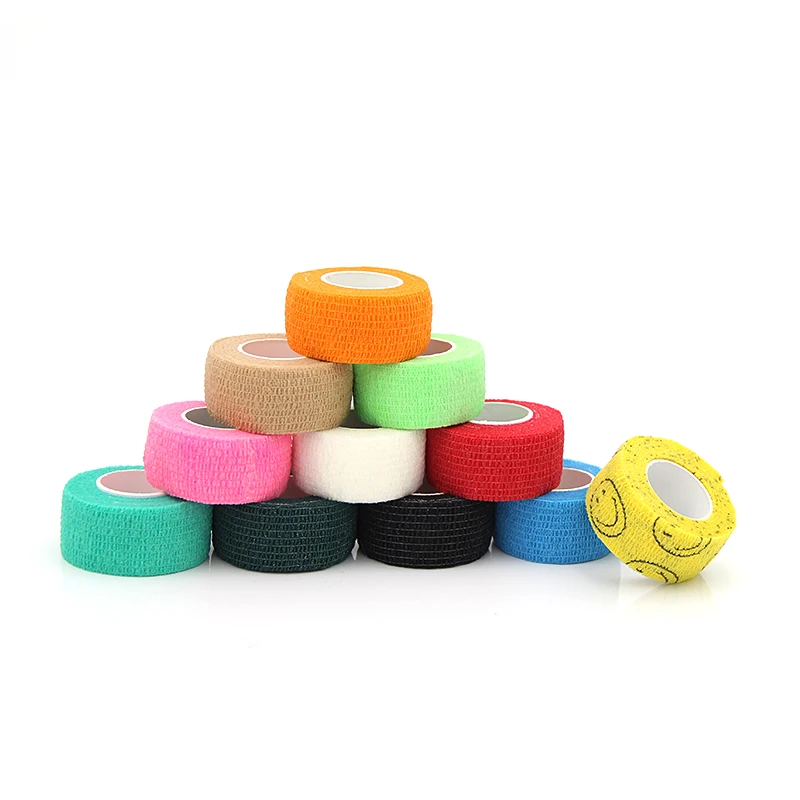
Un vendaje cohesivo para los dedos es un tipo de banda adhesiva diseñadas para utilizarse en los dedos. Las tiritas adhesivas para dedos suelen estar fabricadas con un adhesivo suave y flexible y, a menudo, están recubiertas de una capa de agente cicatrizante que ayuda a mantener la herida cerrada. Para colocarlas, normalmente hay que enrollarlas alrededor del dedo y, a continuación, presionarlas contra la piel para que se adhieran bien.
Los vendajes cohesivos para los dedos se pueden usar para una variedad de propósitos, incluido el tratamiento de ampollas, cortes y heridas. También se usan comúnmente para ayudar a prevenir infecciones en las heridas. Los vendajes adhesivos para los dedos son fáciles de poner y quitar, lo que los hace ideales para usar en situaciones donde el tiempo es importante o donde el acceso a la atención médica es limitado.
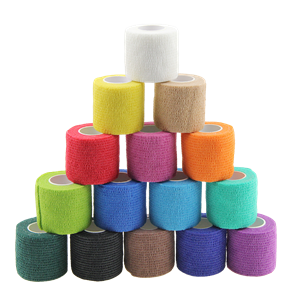
¿Cómo aplicar un vendaje cohesivo para los dedos?
Vendajes cohesivos para los dedos Son una forma estupenda de prevenir ampollas y lesiones en los dedos. La venda se envuelve alrededor del dedo y luego se fija a la piel con un adhesivo. Esto facilita mantener los dedos limpios y protegidos.
Para utilizar una tirita adhesiva para los dedos, primero asegúrate de que tienes la talla adecuada. La mayoría de las tiritas adhesivas para los dedos se comercializan en tres tamaños: pequeña, mediana y grande. Asegúrate de elegir la talla adecuada para tus dedos.
Luego, quítese los anillos u otras joyas que puedan estar interfiriendo con el adhesivo. Corta cualquier exceso de material del vendaje para que solo cubra tu uña.
Presiona el apósito con las yemas de los dedos hasta que quede completamente pegado a la piel. Déjalo puesto durante al menos cuatro horas o, si es necesario, toda la noche.
Cosas que debe saber sobre los vendajes cohesivos para los dedos
Los vendajes cohesivos para los dedos son un tipo popular de vendaje porque son fáciles de aplicar y tienen un alto grado de adherencia. Los vendajes adhesivos para los dedos también son útiles para cubrir cortes o hematomas en los dedos. Hay dos tipos de vendajes adhesivos para los dedos: flexibles y semirrígidos. Los vendajes adhesivos flexibles para los dedos son más fáciles de aplicar, pero es posible que no sean tan efectivos para adherirse a la piel. Los vendajes adhesivos semirrígidos para los dedos son más efectivos para adherirse a la piel, pero pueden ser menos flexibles.
Ventajas y desventajas de usar un vendaje cohesivo para los dedos
Un vendaje cohesivo para los dedos es un tipo de vendaje que está hecho de un material adhesivo elástico y suave. Los vendajes adhesivos para los dedos se usan a menudo para ayudar a curar los cortes en los dedos. También se utilizan para sujetar objetos en su lugar mientras la piel cicatriza.
Entre las ventajas de utilizar un apósito adhesivo para los dedos destaca que son fáciles de colocar y retirar. Se pueden colocar en cuestión de minutos y se pueden retirar sin dejar residuos ni causar daños. Los apósitos adhesivos para los dedos también tienen buenas propiedades de adhesión, lo que significa que se mantendrán en su sitio incluso cuando la piel que los rodea se mueva.
Las desventajas de usar un vendaje cohesivo para los dedos incluyen que pueden no ser tan duraderos como otros tipos de vendajes. Además, es posible que las bandas adhesivas para los dedos no se adhieran muy bien a la piel húmeda o grasosa, por lo que es posible que no sean eficaces para sujetar objetos en su lugar durante actividades que involucren agua o aceites.
Consejos y trucos para usar el vendaje cohesivo para dedos
Cuando se trata de usar un vendaje cohesivo para los dedos, hay muchos consejos y trucos que puede usar para facilitar el proceso. Aquí hay algunos:
- Asegúrese de que el vendaje esté bien ajustado alrededor de su dedo. Esto ayudará a minimizar el movimiento y ayudará a reducir el riesgo de infección.
- Si es posible, evite usar agua fría o tibia para limpiar la herida. Si lo hace, puede causar más irritación o hinchazón.
- Aplique presión a la herida con un paño u otro objeto según sea necesario para mantenerla cerrada y reducir la hinchazón.
- Repita estos pasos según sea necesario hasta que el vendaje ya no sea efectivo o hasta que la lesión se haya curado por completo.


Conclusión
Si tú o alguien que conoces ha sufrido una lesión en un dedo, lo primero que hay que hacer es acudir al médico. Una vez que la lesión haya sido tratada y estabilizada, es importante inmovilizar el dedo en la medida de lo posible. Uno de los métodos de inmovilización más habituales es el uso de un vendaje cohesivo para dedos. Los vendajes cohesivos para dedos están fabricados con un material elástico que se ajusta perfectamente alrededor del dedo lesionado e impide su movimiento. Están disponibles en varios tamaños para adaptarse prácticamente a cualquier tamaño de mano, por lo que son perfectos tanto para particulares como para familias. Si buscas una forma eficaz de tratar una lesión en un dedo, plantéate adquirir un aupcon ¡Vendaje coesivo para los dedos!