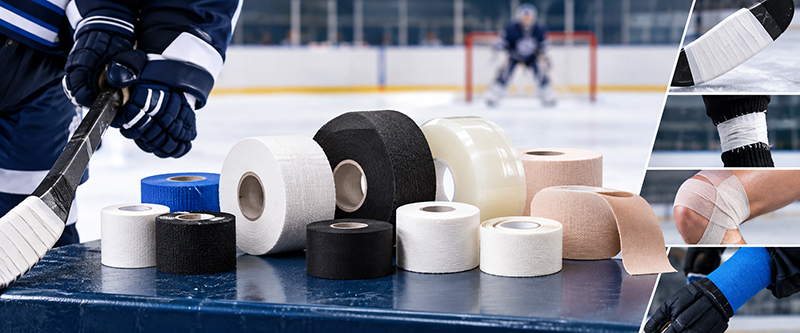
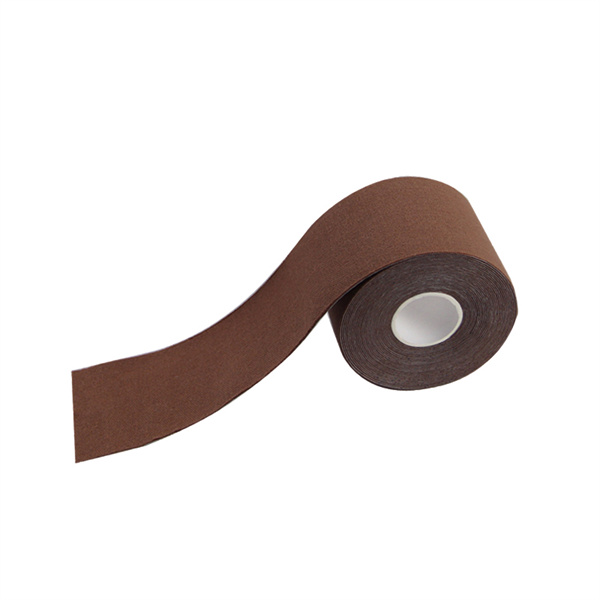
It’s not the most glamorous product in the world. But if you’re an athlete, brown sports tape can be a literal godsend. We’re not talking about latex or scotch tape for your scrapes and bruises. This is more like nastro kinesiologico for injuries like stecche della tibia, sprained ankles, or to help relieve pain from muscle strains. Read on to find out how tape works and what effect it has on your body!
What is brown sports tape?
Il nastro è un materiale adesivo sensibile alla pressione utilizzato per fissare insieme gli oggetti. Consiste in un supporto rivestito con un adesivo. Il supporto è solitamente costituito da carta, stoffa o pellicola di plastica. Il nastro è disponibile in diverse larghezze e lunghezze.
Il nastro fu inventato per la prima volta nel 1845 dal chirurgo Horace Day. Ha scoperto che quando esercitava pressione su una ferita, aiutava a chiudere la ferita e prevenire l'infezione. Oggi il nastro viene utilizzato per molti scopi, tra cui tenere in posizione bende, sigillare scatole e buste e attaccare poster alle pareti.
La scienza alla base del nastro è piuttosto semplice. Quando applichi pressione al nastro, l'adesivo si attacca alla superficie che sta toccando. Più pressione applichi, più forte sarà il legame.
The history of brown sports tape
Il nastro è stato utilizzato per secoli per legare e sostenere le lesioni. Si pensa che gli antichi egizi usassero strisce di papiro per tenere in posizione le ossa rotte, mentre gli antichi greci e romani usavano fasce di lino o di cuoio.
Il primo nastro adesivo è stato sviluppato nel 1845 dal Dr. Horace Day, un chirurgo che stava cercando un modo per fissare le medicazioni chirurgiche in modo più sicuro. Ha rivestito un lato di una striscia di stoffa con gomma arabica, che è un adesivo naturale derivato dalla linfa degli alberi. Questa prima versione del nastro adesivo era chiamata "Day's Medicated Plaster" ed è stata venduta commercialmente per molti anni.
Nel 1851 un altro medico, Benjamin Franklin Goodrich, inventò un processo per vulcanizzare la gomma, che la rese più resistente ed elastica. Goodrich si rese conto che questa nuova gomma poteva essere utilizzata per realizzare un nastro adesivo migliorato e brevettò la sua versione nel 1857. Questo nastro divenne noto come "cerotto all'ossido di zinco" e fu ampiamente utilizzato da medici e atleti per molti anni.
Nel 1928, il chimico della 3M Company Richard Drew creò un nastro di cellophane con un adesivo acrilico che poteva essere facilmente rimosso dalle superfici senza danneggiarle. Questo "nastro adesivo" è diventato un successo immediato tra i consumatori ed è ancora oggi uno dei tipi di nastro più popolari.
Negli anni '30, 3M sviluppò anche pellicole in plastica vinilica e adesivi sensibili alla pressione che potevano essere applicati su entrambi i lati della pellicola. Ciò ha provocato
How does brown sports tape work?
Have you ever wondered how those professional athletes always seem to have perfectly taped fingers or wrists? It’s not just for show! Taping can be a helpful tool for providing support and stability to injured joints and muscles, as well as preventing injuries in the first place. Let’s take a look at the science behind brown sports tape and how it works.
Brown sports tape is made of an adhesive material that sticks to skin and clothing. When applied correctly, it forms a tight bond that allows it to provide support and stability to the area it is covering. The adhesive is strong enough to withstand movement and friction, but it will eventually lose its stickiness and need to be replaced.
The main benefit of brown sports tape is its ability to provide support without restricting movement. This makes it ideal for athletes who need to maintain a full range of motion while protecting against injury. It is also comfortable to wear and doesn’t require any special equipment for application.
If you’re interested in trying brown sports tape, be sure to consult with a trained professional first. They can help you determine if taping is right for your particular injury or condition, and show you the proper way to apply it.
How to use brown sports tape
Esistono diversi modi per utilizzare il nastro, a seconda dell'effetto desiderato. Ad esempio, se stai cercando di aggiungere supporto a un'articolazione debole o ferita, avvolgi il nastro attorno all'area interessata in uno schema a forma di otto. Se stai cercando di ridurre il gonfiore o lividi, dovresti applicare il nastro a spirale.
To get the best results, it’s important to clean and dry the skin before applying the tape. Otherwise, the adhesive won’t stick as well, and the tape may not stay in place. Be sure to also smooth out any wrinkles in the tape before attaching it to your skin.
When to use tape
Non esiste una risposta definitiva a questa domanda poiché dipende dall'individuo e dalla lesione specifica. Alcune persone ritengono che il nastro fornisca supporto e aiuti a prevenire ulteriori lesioni, mentre altri ritengono che non aiuti o addirittura peggiori la lesione. Se stai pensando di utilizzare il nastro, è meglio consultare un professionista sanitario che può consigliarti se è appropriato o meno per la tua situazione.

Tipi di nastro e loro usi
There are many different types of tape available on the market, each with its own unique set of properties and uses. Brown sports tape is a type of adhesive tape that is commonly used in a variety of applications, including medical, industrial, and sporting applications.
The main difference between brown sports tape and other types of adhesive tape is the level of adhesion. Brown sports tape has a very strong adhesive hold, making it ideal for use in situations where a secure bond is required. This type of tape is also highly flexible and breathable, making it comfortable to wear for long periods of time.
Brown sports tape is commonly used in medical applications to secure dressings or tubing in place. It is also frequently used in industrial settings to secure parts or products during assembly or shipping. In the sporting world, brown sports tape is often used to support injured muscles or joints, as well as to prevent blisters and chafing.
If you are looking for an adhesive tape that can provide a strong hold while still being comfortable to wear, Aupcon brown sports tape may be the right choice for you.
Usi insoliti per il nastro
There are many unconventional uses for brown sports tape that go beyond the traditional realm of sports medicine. Some people use the tape for fashion purposes, such as creating interesting patterns or shapes on their skin. Others use it as a tool for self-expression, using the tape to write messages or create designs on their clothing.
Some people even use nastro sportivo as a form of body art. The adhesive properties of the tape make it ideal for attaching temporary tattoos or body jewelry. It can also be used to create temporary designs on the skin, such as fake bruises or cuts.
So, next time you reach for a roll of brown sports tape, don’t be afraid to get creative! There are endless possibilities for what you can do with this versatile product.