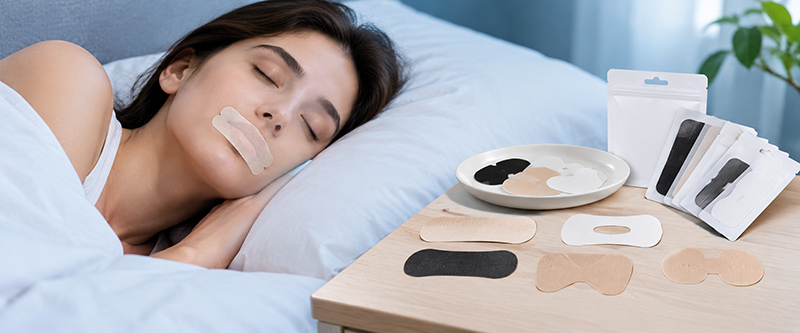
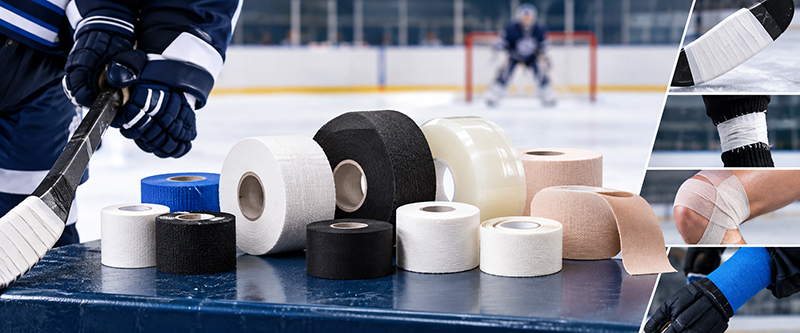
Patella-Taping ist ein ultradünnes, atmungsaktives Band mit Elastizität, das unterschiedliche Breiten, Farben und Elastizitäten aufweist.
Laufen ist derzeit eine sehr beliebte Outdoor-Sportart. Ob im Alltag oder bei professionellen Sportveranstaltungen, Menschen laufen oft zu zweit oder in Gruppen. Während Laufen eine gute Übung ist, bringt es bei Sportbegeisterten auch viele Verletzungen mit sich, am häufigsten sind Knieschmerzen.
Das Kniegelenk ist ein Gelenk, das aus drei Knochen besteht: der Kniescheibe, dem Schienbein und dem Oberschenkelknochen. Die Oberfläche dieser Knochen ist durch Knorpel geschützt und von vielen Sehnen und Bändern umgeben. Da das Kniegelenk das größte und komplexeste Gelenk des menschlichen Körpers ist, treten auch häufig Verletzungen auf. Eine der häufigsten funktionellen Verletzungen des Kniegelenks ist die Patellasubluxation.

Was ist eine Patellasubluxation?
Die Patella liegt vor dem Kniegelenk, vor dem unteren Ende des Oberschenkelknochens und ist der größte Sesambeinknochen des menschlichen Körpers. Es ist am Aufbau des Kniegelenks beteiligt und auf der Körperoberfläche spürbar.
Die Patellasubluxation ist eine klinische Manifestation, bei der die Kniescheibe während der Bewegung aus der Trochlearisrinne des Oberschenkels herausragt, was zu einer seitlichen Verschiebung der Kniescheibe führt. Die Patellasubluxation wird aufgrund ihres Verlagerungsmodus auch in Außenverlagerungssubluxation und Rotationssubluxation unterteilt.
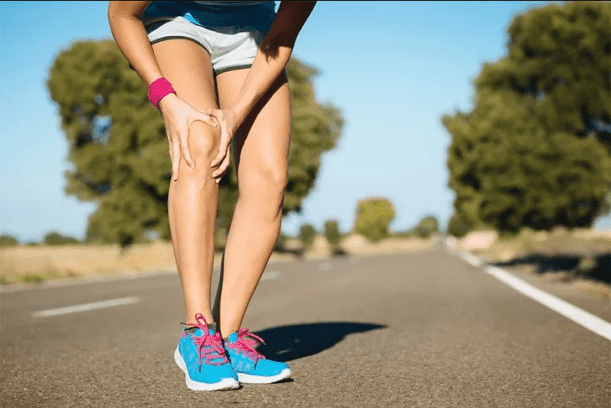
Gründe von Patella-Subluxation
Die Patellaluxation tritt häufig bei direkten Verletzungen auf, wie z. B. beim Laufen (vor allem bei Beugen und Rotationen), in der Hocke, bei der seitlichen Verschiebung (beim Basketballspielen zur Verteidigung und Bewegung) oder beim seitlichen Aufprall auf das Kniegelenk. Einige Patienten mit einer Patellaluxation können ihre eigenen anatomischen Anomalien haben, wie z. B. eine systemische Gelenkkapselrelaxation, eine hohe Patella, einen Knievalgus (X-förmiges Bein) und andere Manifestationen.
Darüber hinaus hängt die Subluxation der Patella auch mit dem Q-Winkel zusammen. Q-Winkel, auch Patellaneigungswinkel genannt: der Winkel zwischen der Linie, die die Vorderkante des Innen- und Außenknöchels des Femurs verbindet, und der Linie, die die Innen- und Außenkante der Patella verbindet. Der Normalwinkel des Q-Winkels beträgt weniger als 15 Grad. Je größer der Q-Winkel ist, desto schlechter ist die Stabilität der Patella und desto wahrscheinlicher ist es, dass es zu einer Patellaschiefstellung kommt.
Does Patella-Taping-Arbeit?
Lassen Sie uns zunächst das Patellaband verstehen: Patellar Taping ist ein ultradünnes, atmungsaktives Kinesiologisches Tape aus Baumwolle mit Elastizität, die sich in Breite, Farbe und Elastizität unterscheiden. Das Patellaband kann je nach Bedarf in verschiedene Formen geschnitten und auf der Haut, den Muskeln und den Gelenken, die behandelt werden müssen, angebracht werden, wie z. B. Waffen, Schenkel, Kälber, zurück, usw. Obwohl der Anwendungsbereich des Patellataping anders ist, besteht seine wesentliche Funktion darin, Muskeln und Gelenke bei positiven Anpassungen zu unterstützen und eine stützende und stabilisierende Rolle zu spielen.
Das Kniescheiben-Taping erzeugt Druck und Spannung auf der Haut, stimuliert die Mechanorezeptoren und fördert die Blut- und Lymphzirkulation. Beim Patellataping sind die Muskeln an der Innenseite des Oberschenkels (medialer schräger Oberschenkelmuskel) in der Regel schwach. Im Gegensatz dazu sind die Muskeln an der Oberschenkelaußenseite (seitliche Oberschenkelmuskeln) angespannt oder stark. Dies hat zur Folge, dass die Kniescheibe zu sehr nach außen driftet. Daher bewegt sich die Kniescheibe nicht auf natürliche Weise in der richtigen Position. Mit der Zeit kann die Reibung zwischen Kniescheibe und Oberschenkelknochen zu Entzündungen und Schmerzen führen. Wenn Sie die Kniescheibe bandagieren und nach innen ziehen, können Sie sie beim Beugen des Knies von wunden Stellen fernhalten.
Wie man sich bewirbt Patellataping bei Patellasubluxation?
Bevor Sie mit der Anwendung beginnen, müssen Sie zunächst die Schere für das Patellaband und das Kinesiologieband vorbereiten. Zur gleichen Zeit, vor der Verwendung, sicherzustellen, dass die Haut sauber und trocken ist, und achten Sie auf die Beinbehaarung, um Schäden zu vermeiden.
1. Messen Sie den Abstand vom Tuberculum tibialis (der Ausbuchtung unterhalb der Kniescheibe) bis zur Quadrizepssehne. Schneiden Sie zwei Stücke Klebeband gleicher Länge und Anschlussrundung ab.
2. Beuge deine Knie. Entfernen Sie den ersten Zentimeter eines Stücks Klebeband. Außerhalb des Tuberculum tibiae fixieren und nicht dehnen.
3. Dehnen Sie das Band. Folgen Sie der natürlichen Kurve, indem Sie das Band um die Innenseite des Knies wickeln. Fixieren Sie das Ende und reiben Sie das Klebeband, um den Kleber zu aktivieren.
4. Wiederholen Sie das zweite Band entlang des seitlichen Knies, indem Sie die Enden zu einem X zusammenführen.
5. Schneiden Sie einen Streifen Klebeband ab, der lang genug ist, um ihn unter die Kniescheibe zu wickeln.
6. Reißen Sie das Klebeband in der Mitte ab. Dehnen und unter der Kniescheibe auftragen. Wickeln Sie das Klebeband entlang der Oberschenkelmuskulatur und befestigen Sie beide Enden.

So entfernen Sie das Patella-Taping?
Normalerweise bleibt das Patellaband durchschnittlich 3–4 Tage erhalten. Normalerweise können wir die betroffene Stelle mit Seife benetzen und Blasen bilden. Wenn sich der Kleber des Patellabandes löst, ziehen und schälen Sie es bitte entlang der Haarrichtung und nicht gegen die Haarrichtung. Dies kann Schmerzen lindern und das Risiko einer Haarentfernung verringern.
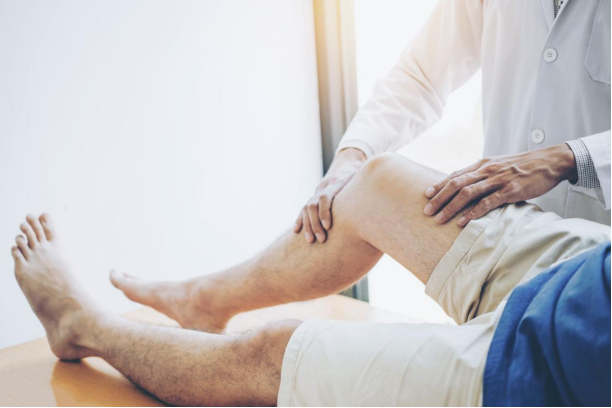
Sollte ich Kinesiologie-Tape selbst anbringen??
Wenn Sie über entsprechende Erfahrung verfügen, können Sie es selbst veröffentlichen. Wenn Sie jedoch nicht über entsprechende Erfahrung verfügen, wird empfohlen, einen Fachmann um Hilfe zu bitten.
Wo bekommt man Patella-Taping??
Kinesiologisches Tape ist heute sehr verbreitet. Oft sieht man Menschen, die es in verschiedenen Situationen verwenden. Und es gibt viele verschiedene Marken und Hersteller. Wir haben auch viele Kanäle, um es zu kaufen, darunter Offline-Kanäle wie Krankenhäuser, Fitnesszentren, Supermärkte und Physiotherapiegeschäfte; Online-Käufe können auf Online-Plattformen wie Amazon, Walmart, Alibaba usw. getätigt werden. Wenn Sie sich jedoch in der Branche nicht auskennen, sollten Sie sich an professionelle Hersteller oder Lieferanten wenden, z. B. Aupcon, Das Unternehmen ist ein Markenhersteller, der sich auf kinesiologische Tapes spezialisiert hat und über eine strenge Qualitätskontrolle, einen guten Ruf in der Branche und einen guten Ruf bei seinen Kunden verfügt. Wenn Sie interessiert sind, können Sie lernen und versuchen es aus~