
Kinesiologisches Tape für Knöchel/Fuß verwenden
Vollständiger Leitfaden
Kinesiologie-Tape zur Stützung des Sprunggelenks wird in der Sportmedizin und Rehabilitation häufig eingesetzt, um Schmerzen zu lindern und die Stabilität zu verbessern, ohne die Bewegungsfreiheit einzuschränken. Menschen, die regelmäßig laufen, Sportler und sogar diejenigen, die täglich spazieren gehen, können unter Fuß- und Sprunggelenksschmerzen leiden. Ob aufgrund von Verletzungen, Überbeanspruchung oder biomechanischen Fehlstellungen – diese schmerzhaften Beschwerden können die Mobilität beeinträchtigen.
In diesem Leitfaden erfahren Sie wie man Kinesiologieband anlegt für häufige Fuß- und Knöchelerkrankungen und wählen Sie die richtige Taping-Methode für optimale Ergebnisse.
Aupcon bietet Kinesiologisches Tape Lösungen für Groß- und Mengenabnehmer. Besuchen Sie unsere Sportband-Produkt Seite, um die Produkte zu entdecken und Ihre Anfrage zu starten.
Kinesiologisches Band für Knöchel Taping Tipps
- Bringen Sie 1 Stunde vor dem Gehen ein Kinesiologie-Tape am Knöchel an.
- Reinigen Sie Ihre Haut mit Händedesinfektionsmittel oder Alkohol und achten Sie darauf, dass der Bereich ölfrei und trocken ist.
- Bei dichtem Haarwuchs an der zu beklebenden Stelle empfiehlt es sich, das Haar zu kürzen, um die Haftfähigkeit des Tapes nicht zu beeinträchtigen.
- Das Knöchelband sollte nicht länger als 3–7 Tage getragen werden und bei Verschleiß umgehend ausgetauscht werden.
- Reiben Sie das Kinesiologie-Tape mehrmals, um den Klebstoff zu aktivieren und es am Knöchel zu befestigen.
- Beim Zuschneiden des Knöchelbandes muss an jeder Ecke ein abgerundeter Winkel angebracht werden, um ein vorzeitiges Ablösen der Kanten durch Reibung zu verhindern.
Vorteile von Kinesiologieband für den Knöchel
Druckentlastung: Ein wesentlicher Vorteil des Kinesiologie-Tapes für den Knöchel ist seine Fähigkeit, die Haut anzuheben. Aufgrund seiner hervorragenden Elastizität entlastet dieses Anheben den Druck auf die Schmerzrezeptoren unter der Haut physisch.
Schmerzlinderung: Kinesiologisches Tape für den Knöchel hilft den Muskeln, sich zu bewegen, indem es Raum zwischen der Dermis und den darunter liegenden Faszien schafft und so die Heilung fördert. Dies ist besonders wichtig für die Linderung von Beschwerden in kleinen Bereichen wie dem Fußrücken oder Achillessehne.
Schwellungsreduktion: Sie ist ein wirksames Mittel zur Linderung von Schwellungen und Blutergüssen im Knöchelbereich. Das fächer- oder netzförmige Auflegen fördert die Lymphdrainage und die Blutzirkulation.
Verbesserte Propriozeption und Stabilität: Kinesiologisches Tape für den Knöchel bietet dynamische Unterstützung, während starke Zinkoxidband ist so konzipiert, dass die Statik der Gelenke erhalten bleibt. Die taktile Rückmeldung überträgt kontinuierlich Informationen über die Fußposition an das Gehirn und verhindert so weitere Verstauchungen und Zerrungen.
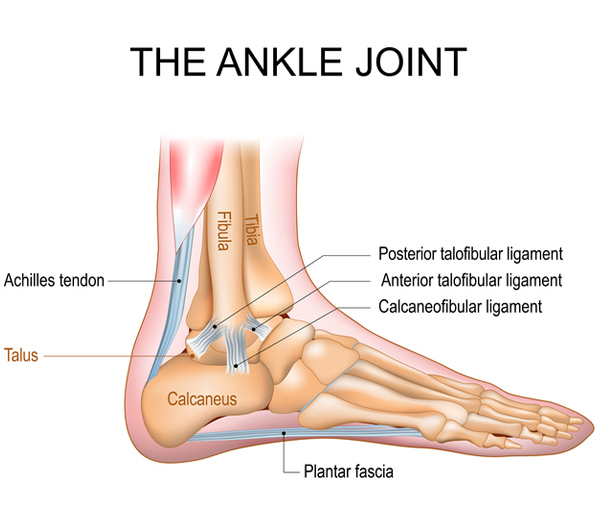
Häufige Erkrankungen von Fuß und Sprunggelenk

Wenn Sie Ihren Knöchel plötzlich umknicken oder umrollen, können die Bänder gedehnt werden oder reißen. Dies führt oft zu Schwellungen, Schmerzen und Gelenkinstabilität. Kinesiologisches Tape für den Knöchel kann bei der Heilung helfen, indem es leichte Unterstützung bietet, Schwellungen reduziert und die Gelenke stabiler macht.
In unserer ausführlichen Anleitung erfahren Sie Schritt für Schritt, wie Sie bei einer Knöchelverstauchung einen Verband anlegen.
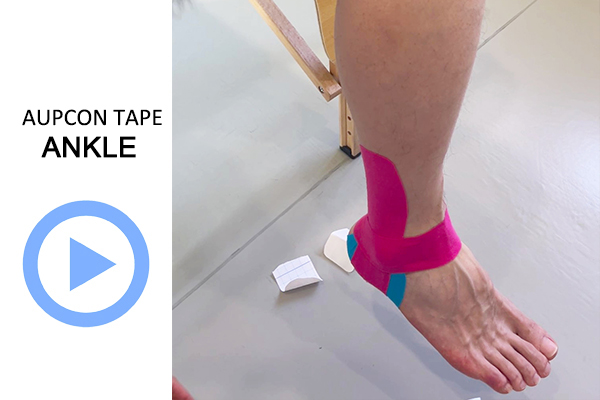
Die häufigste Art der Knöchelverletzung ist eine seitliche Knöchelverstauchung, bei der die Bänder an der Außenseite des Knöchels verletzt werden. Eine Verstauchung des seitlichen Knöchels tritt meist auf, wenn der Fuß nach innen umknickt. Die Taping-Verfahren konzentrieren sich darauf, die seitlichen Strukturen stabil zu halten und weitere Schäden zu verhindern.
In unserer ausführlichen Anleitung erfahren Sie Schritt für Schritt, wie Sie einen Knöchel bei einer Verstauchung des Außenknöchels bandagieren.
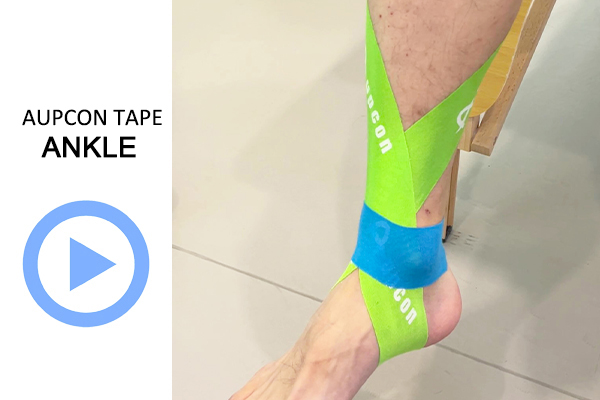
Sport, Überbeanspruchung oder unerwartete Bewegungen können den Knöchel generell verletzen. Kinesiologisches Tape für den Knöchel hilft, das Sprunggelenk zu stützen, die Durchblutung zu fördern und Schmerzen zu lindern, während es die Bewegung ermöglicht.
In unserer ausführlichen Anleitung erfahren Sie Schritt für Schritt, wie Sie einen Knöchel bei einer Knöchelverletzung bandagieren.
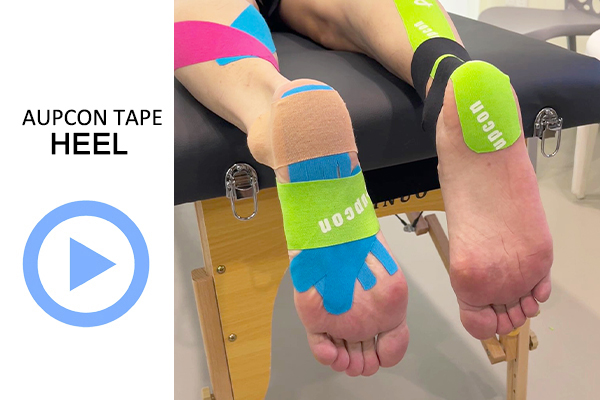
Die Plantarfaszie entzündet sich, was bei Menschen mit Plantarfasziitis Fersenschmerzen verursacht. Menschen, die viel laufen oder längere Zeit stehen, sind häufig betroffen. Kinesiologisches Tape bei Fußschmerzen kann helfen, die Schmerzen beim Gehen zu lindern, indem es die Belastung der Faszien reduziert.
In unserem ausführlichen Leitfaden erfahren Sie Schritt für Schritt, wie Sie Ihre Füße bei Plantarfasziitis tapen können.
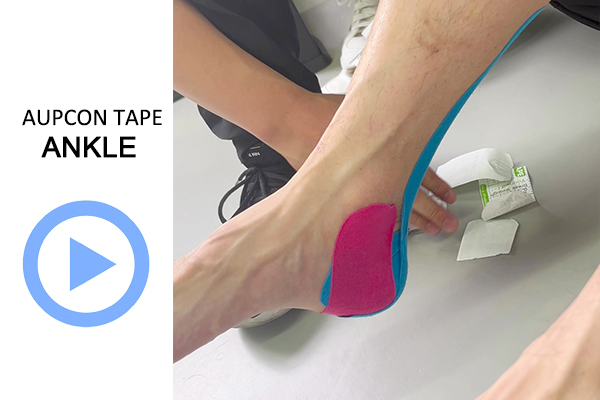
Ein Fersensporn ist eine knöcherne Ausstülpung, die häufig langfristige Schmerzen in der Ferse verursacht. Kinesiologisches Tape gegen Fußschmerzen kann den Sporn nicht beseitigen, aber es kann den Druck auf die Ferse verringern und die Bewegung angenehmer machen.
In unserem ausführlichen Leitfaden erfahren Sie Schritt für Schritt, wie Sie einen Fersensporn behandeln können.
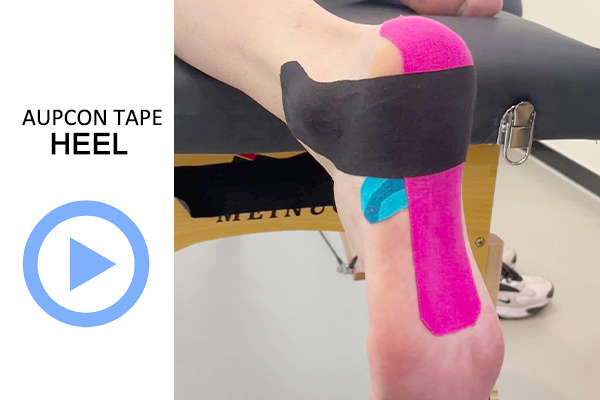
Stöße, Überlastung oder das Tragen falscher Schuhe können die Fersen schädigen. Kinesiologisches Tape bei Fußschmerzen kann helfen, den Fersenbereich zu stützen, die Belastung zu verringern und ihn stabiler zu machen.
In unserem ausführlichen Leitfaden erfahren Sie Schritt für Schritt, wie Sie Ihre Füße bei Fersenverletzungen tapen können.
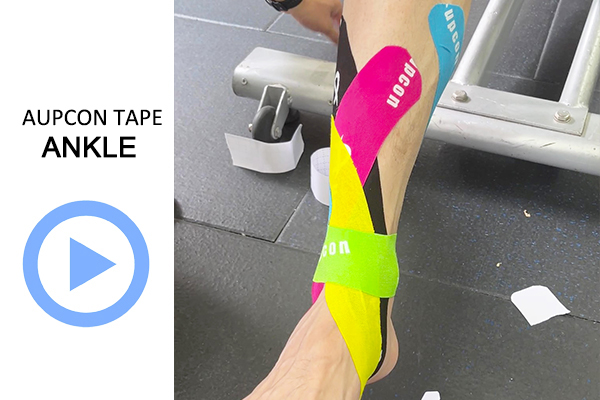
Eine Instabilität des Sprunggelenks kann zu häufigen Verstauchungen, Schmerzen, Ödemen und Schwellungen bei körperlicher Aktivität, Gelenklaxität oder Blockaden sowie zu Gleichgewichtsstörungen führen. Kinesiologisches Tape zur Stabilisierung des Sprunggelenks kann das Risiko von Sportverletzungen verringern.
Erfahren Sie in unserer ausführlichen Anleitung Schritt für Schritt, wie Sie den Fuß zur Stabilisierung des Sprunggelenks tapen.
Wie wählt man das beste Kinesiologieband für den Knöchel aus?
Es ist sehr wichtig, das richtige kinesiologische Tape für den Knöchel zu wählen, damit Sie sich wohler fühlen und bessere Leistungen beim Sport erbringen können:
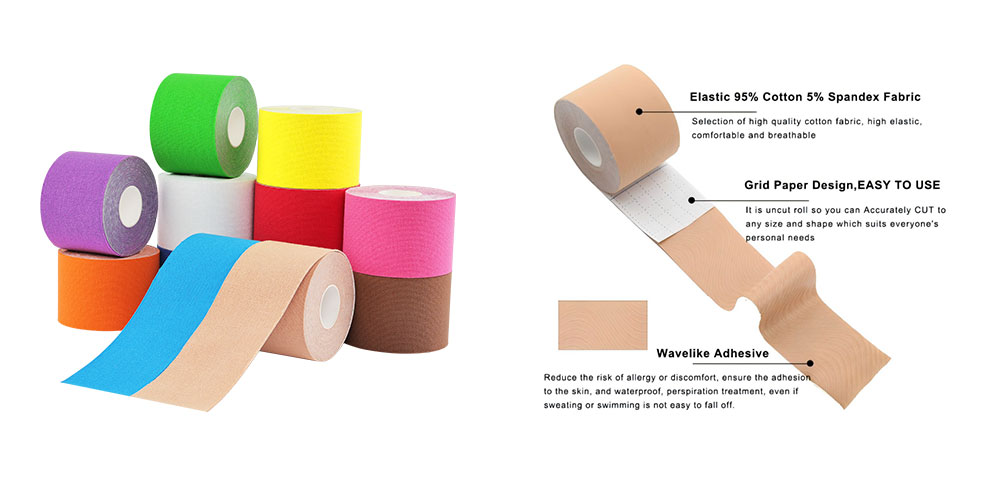
Baumwolle ist luftig und gemütlich; Rayon ist robust und widerstandsfähig gegen Abnutzung und Verschleiß.
Klebstoff: Klebt gut und ist gut für die Haut
Elastizität: lässt Ihren Körper sich natürlich bewegen
Bulk Supply: Wichtig für Markeninhaber und Vertriebshändler
Unternehmen auf der ganzen Welt können hochwertiges Knöchelband von professionellen Herstellern beziehen, wie Aupcon. Sie bieten sowohl OEM- als auch Großhandelsoptionen an.
Abschließend
Kinesiologisches Tape kann bei Schmerzen, Stabilität und Genesung im Knöchel und Fuß helfen. Ganz gleich, ob Sie mit Knöchel- und Fußschmerzen zu kämpfen haben oder nach speziellen Taping-Lösungen für den Schultern, Knien, Ob Rücken, Arme, Hände oder Beine - die Wahl der richtigen Taping-Methode ist entscheidend.
Blättern Sie bitte weiter in unserem Leitfaden für das Taping verschiedener Körperteile oder kontaktieren Sie Aupcon, um eine Lösung zu finden, die Ihren Bedürfnissen entspricht.