
Hoe gebruik je kinesiologietape voor de enkel en voet?
Complete gids
Kinesiology tape for ankle support is widely used in sports medicine and rehabilitation to reduce pain and improve stability without restricting movement. People who frequently participate in running, athletes, and even daily walkers may experience foot and ankle pain. Whether due to injury, overuse, or biomechanical abnormalities, these painful conditions can affect mobility.
In deze gids leer je hoe kinesiologie tape aan te brengen voor veelvoorkomende aandoeningen aan de voet en enkel, en kies de juiste tapetechniek voor optimale resultaten.
Aupcon offers kinesiologie tape solutions for wholesale and bulk buyers. Visit our sporttape-product page to explore the products and start your inquiry.
Tips voor het aanbrengen van kinesiologietape op de enkel
- Breng kinesiologietape enkel aan op de enkel 1 uur voordat u gaat lopen.
- Reinig uw huid met een handdesinfecterend middel of alcohol en zorg ervoor dat het gebied olievrij en droog is.
- Als het te plakken gebied dicht behaard is, wordt aanbevolen dit af te knippen om de hechting van de tape niet te beïnvloeden.
- De enkeltape mag niet langer dan 3-7 dagen worden gedragen en moet onmiddellijk worden vervangen als deze versleten is.
- Wrijf vele malen over de kinesiologietape om de lijm te activeren en aan de enkel te hechten.
- Bij het doorknippen van de enkelband moet elke hoek in een afgeronde hoek worden bijgesneden om te voorkomen dat de randen door wrijving voortijdig loslaten.
Voordelen van kinesiologietape voor de enkel
Drukontlasting: Een belangrijk voordeel van kinesiologietape voor de enkel is dat het de huid omhoog trekt. Dankzij de uitstekende elasticiteit zorgt deze optrekkende werking ervoor dat de druk op de pijnreceptoren onder de huid fysiek wordt verlicht.
Pijnverlichting: Kinesiologietape voor de enkel helpt de spieren te bewegen door ruimte te creëren tussen de dermis en de onderliggende fascia, waardoor het genezingsproces wordt bevorderd. Dit is vooral belangrijk voor het verlichten van ongemak op kleine plekken, zoals de rug van de voet of Achillespees.
Zwellingreductie: Het is een effectieve manier om zwellingen en blauwe plekken rond de enkel te verlichten. Door het in een “waaiervormig” of “gaasachtig” patroon aan te brengen, wordt de lymfedrainage en de bloedcirculatie bevorderd.
Verbeterde proprioceptie en stabiliteit: Kinesiologietape voor de enkel biedt dynamische ondersteuning en is tegelijkertijd sterk zinkoxide tape is ontworpen om de stabiliteit van de gewrichten te behouden. De tactiele feedback die het geeft, stuurt voortdurend informatie over de positie van de voet door naar de hersenen, waardoor verdere verstuikingen en verrekkingen worden voorkomen.
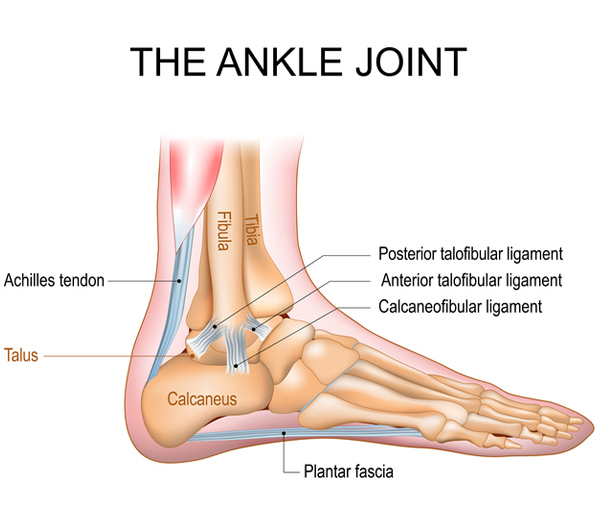
Veelvoorkomende aandoeningen aan de voet en enkel

Wanneer je je enkel plotseling verdraait of omknikt, kunnen de banden uitrekken of scheuren. Dit leidt vaak tot zwelling, pijn en instabiliteit van het gewricht. Kinesiologietape voor de enkel kan het herstel bevorderen door lichte ondersteuning te bieden, zwelling te verminderen en de gewrichten stabieler te maken.
Lees in onze uitgebreide handleiding stap voor stap hoe je een enkel moet tapen bij een enkelverstuiking.
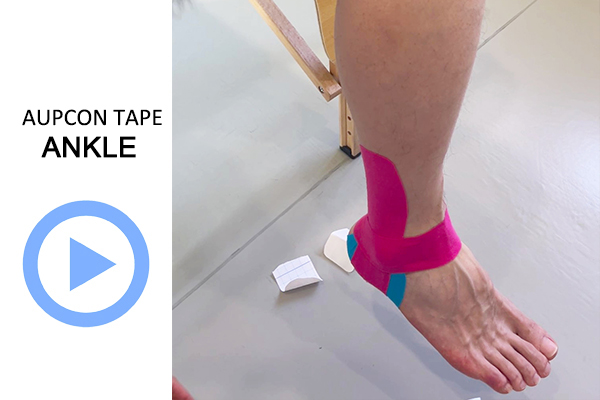
De meest voorkomende vorm van enkelblessure is een laterale enkelverstuiking, waarbij de ligamenten aan de buitenkant van de enkel beschadigd raken. Een laterale enkelverstuiking ontstaat meestal wanneer de voet naar binnen draait. Bij tapetechnieken ligt de nadruk op het stabiel houden van de laterale structuren en het voorkomen van verdere schade.
Lees in onze uitgebreide handleiding stap voor stap hoe je een enkel moet tapen bij een laterale enkelverstuiking.
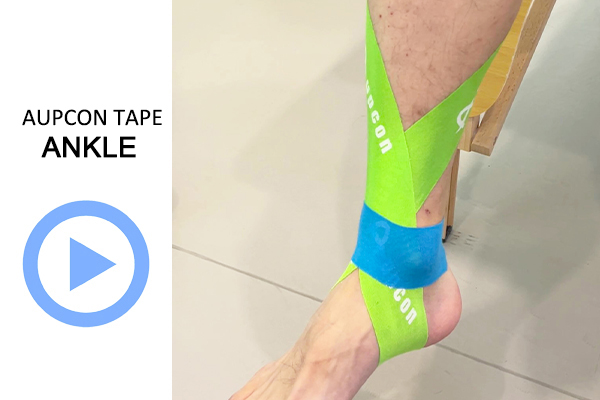
Sport, overbelasting of onverwachte bewegingen kunnen allemaal leiden tot blessures aan je enkel. Kinesiologietape voor de enkel biedt ondersteuning aan het enkelgewricht, bevordert de doorbloeding en verlicht pijn, terwijl je toch vrij kunt blijven bewegen.
Lees in onze uitgebreide handleiding stap voor stap hoe je een enkel moet tapen bij een enkelblessure.
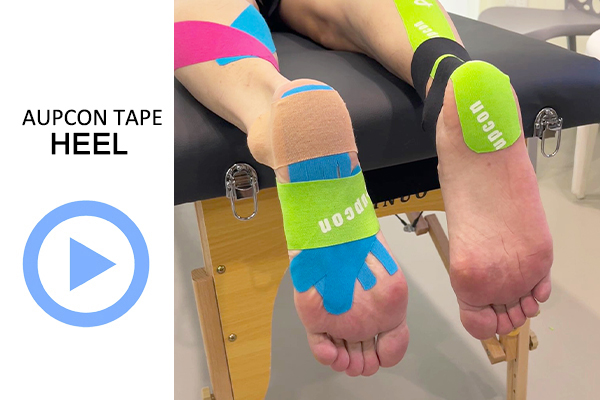
De plantaire fascia raakt ontstoken, wat bij mensen met plantaire fasciitis hielpijn veroorzaakt. Mensen die veel hardlopen of langdurig staan, krijgen dit vaak. Kinesiologietape tegen voetpijn kan de pijn tijdens het lopen helpen verlichten door de druk op de fascia te verminderen.
Ontdek in onze uitgebreide handleiding de stapsgewijze methode voor het tapen van de voet bij plantaire fasciitis.
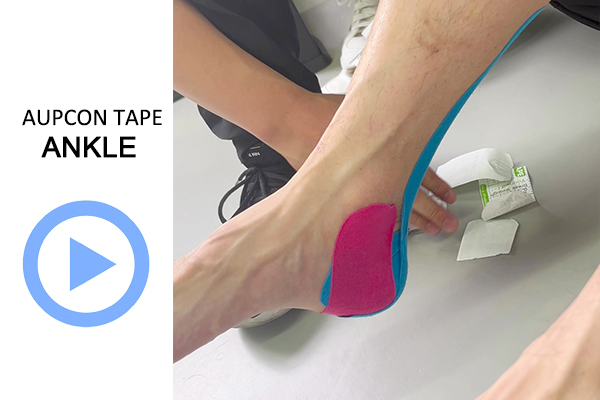
Een hielspoor is een botuitsteeksel dat vaak langdurige pijn in de hiel veroorzaakt. Kinesiologietape voor voetpijn kan het hielspoor niet wegnemen, maar het kan wel helpen de druk op de hiel te verlichten en het lopen aangenamer te maken.
Leer in onze uitgebreide handleiding stap voor stap hoe je de voet moet intapen bij een hielspoor.
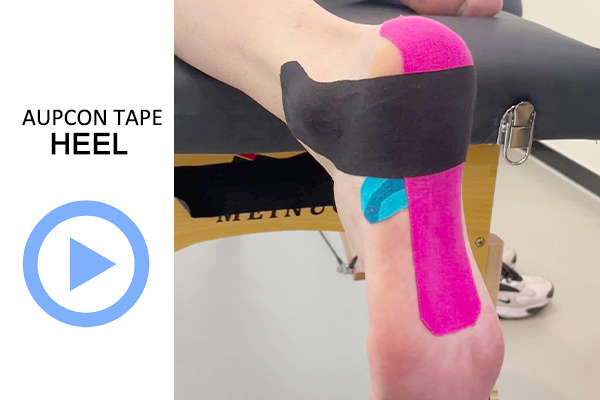
Schokken, overbelasting of het dragen van verkeerde schoenen kunnen allemaal pijn aan je hielen veroorzaken. Kinesiologietape voor voetpijn kan helpen om het hielgebied te ondersteunen, de druk te verlichten en het stabieler te maken.
Leer in onze uitgebreide handleiding stap voor stap hoe je de voet moet intapen bij een hielblessure.
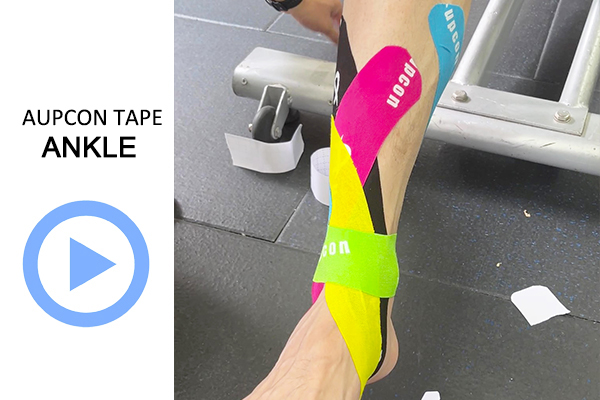
Enkelinstabiliteit kan leiden tot veelvuldige enkelverstuikingen, pijn, oedeem en zwelling bij inspanning, gewrichtslaksheid of blokkering, en een slecht evenwicht. Kinesiologietape voor enkelstabiliteit kan het risico op sportblessures verminderen.
Ontdek in onze uitgebreide handleiding de stapsgewijze methode voor het tapen van de voet om de enkel te stabiliseren.
Hoe kies je de beste kinesiologietape voor je enkel?
Het is heel belangrijk om de juiste kinesiologietape voor de enkel te kiezen, zodat je je prettiger voelt en beter kunt presteren tijdens het sporten:
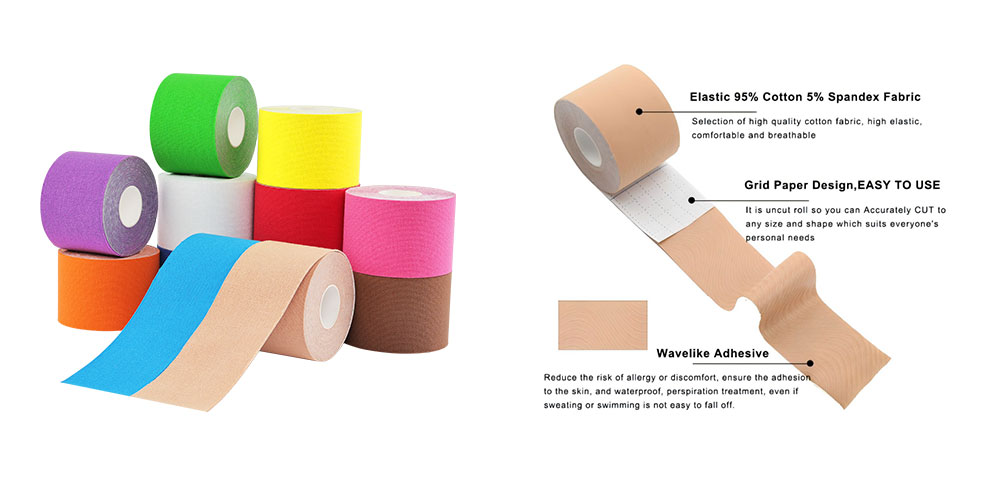
Katoen is luchtig en comfortabel; Rayon is sterk en slijtvast.
Lijm: Hecht goed en is goed voor de huid
Elasticiteit: zorgt ervoor dat je lichaam op natuurlijke wijze kan bewegen
Groothandel: Belangrijk voor merkeigenaren en distributeurs
Bedrijven over de hele wereld kunnen hoogwaardige enkelbandages aanschaffen bij professionele fabrikanten zoals Aupcon. Ze bieden zowel OEM- als groothandelsopties aan.
Ten slotte
Kinesiologie tape kan helpen bij pijn, stabiliteit en herstel in de enkel en voet. Of je nu last hebt van pijn in de enkel en voet of op zoek bent naar gespecialiseerde tapingoplossingen voor de schouders, knieën, rug, armen, handen of benen, is het kiezen van de juiste tapemethode cruciaal.
Blader verder door onze tapegids voor verschillende lichaamsdelen of neem contact op met Aupcon om een oplossing te vinden die past bij jouw behoeften.