
Come utilizzare il nastro kinesiologico per la caviglia/il piede
Guida completa
Il nastro kinesiologico per il sostegno della caviglia è ampiamente utilizzato nella medicina sportiva e nella riabilitazione per ridurre il dolore e migliorare la stabilità senza limitare i movimenti. Chi pratica spesso la corsa, gli atleti e persino chi cammina quotidianamente possono soffrire di dolori ai piedi e alle caviglie. Che siano dovute a infortuni, sovraccarico o anomalie biomeccaniche, queste condizioni dolorose possono compromettere la mobilità.
In questa guida imparerete come applicare il nastro kinesiologico per le comuni patologie del piede e della caviglia e scegliere il metodo di taping giusto per ottenere risultati ottimali.
Aupcon offre nastro kinesiologico soluzioni per acquirenti all'ingrosso e all'ingrosso. Visita il nostro prodotto per il taping sportivo pagina per scoprire i prodotti e inviare la tua richiesta.
Nastro kinesiologico per consigli sul taping della caviglia
- Applicare il nastro kinesiologico alla caviglia 1 ora prima che sia necessario camminare.
- Pulisci la pelle con un disinfettante per le mani o alcol, assicurandoti che l'area sia priva di olio e asciutta.
- Se l'area da applicare al nastro presenta peli folti, si consiglia di tagliarli in modo da non compromettere la capacità di adesione del nastro.
- Il nastro alla caviglia non deve essere indossato per più di 3-7 giorni e deve essere sostituito tempestivamente se dovesse usurarsi.
- Strofina più volte il nastro kinesiologico per attivare l'adesivo e farlo aderire alla caviglia.
- Quando si taglia il nastro per la caviglia, ogni angolo deve essere tagliato con un angolo arrotondato per evitare che i bordi si stacchino prematuramente a causa dell'attrito.
Benefici del nastro kinesiologico per la caviglia
Rilievo della pressione: Un vantaggio fondamentale del nastro kinesiologico per la caviglia è la sua capacità di sollevare la pelle. Grazie alla sua eccellente elasticità, questa azione di sollevamento allevia fisicamente la pressione sui recettori del dolore sotto la pelle.
Sollievo dal dolore: Il nastro kinesiologico per la caviglia aiuta i muscoli a muoversi creando spazio tra il derma e la fascia sottostante, favorendo così la guarigione. Questo è particolarmente importante per alleviare il disagio in piccole aree, come il dorso del piede o la fascia plantare. Tendine d'Achille.
Riduzione del gonfiore: È un modo efficace per alleviare il gonfiore e le contusioni intorno alla caviglia. L'applicazione a “ventaglio” o a “rete” favorisce il drenaggio linfatico e la circolazione sanguigna.
Miglioramento della propriocezione e della stabilità: Il nastro kinesiologico per la caviglia fornisce un supporto dinamico e forte. nastro all'ossido di zinco è progettato per mantenere la staticità dell'articolazione. Il feedback tattile trasmette continuamente al cervello le informazioni sulla posizione del piede, prevenendo ulteriori distorsioni e stiramenti.
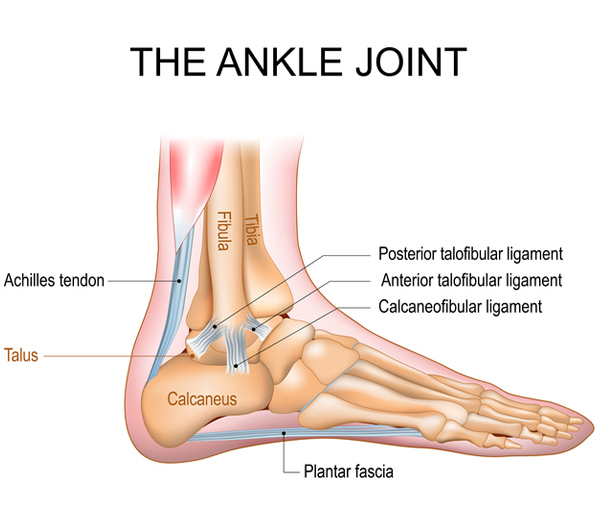
Condizioni comuni di piede e caviglia

Quando la caviglia subisce una torsione o una rotazione improvvisa, i legamenti possono subire uno stiramento o uno strappo. Questo spesso porta a gonfiore, dolore e instabilità dell'articolazione. Il nastro kinesiologico per la caviglia può aiutare la guarigione fornendo un leggero supporto, riducendo il gonfiore e rendendo le articolazioni più stabili.
Scoprite come applicare il nastro adesivo alla caviglia passo dopo passo per la distorsione della caviglia nella nostra guida dettagliata.
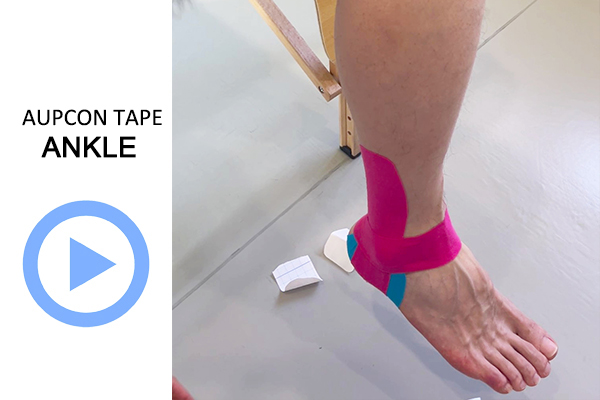
Il tipo più frequente di infortunio alla caviglia è la distorsione laterale della caviglia, che danneggia i legamenti sulla parte esterna della caviglia. La distorsione laterale della caviglia si verifica solitamente quando il piede ruota verso l'interno. Le procedure di taping si concentrano sul mantenimento della stabilità delle strutture laterali e sulla prevenzione di ulteriori danni.
Scoprite come applicare il nastro adesivo alla caviglia passo dopo passo per una distorsione laterale della caviglia nella nostra guida dettagliata.
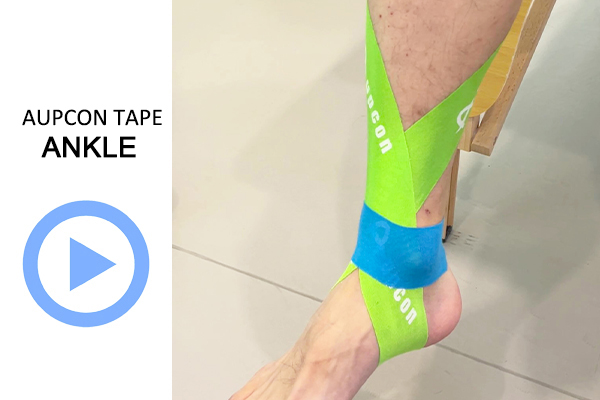
Sport, uso eccessivo o movimenti imprevisti possono danneggiare la caviglia in generale. Il nastro kinesiologico per la caviglia aiuta a sostenere l'articolazione della caviglia, migliora il flusso sanguigno e allevia il dolore consentendo il movimento.
Scoprite come applicare il nastro adesivo alla caviglia passo dopo passo per le lesioni alla caviglia nella nostra guida dettagliata.
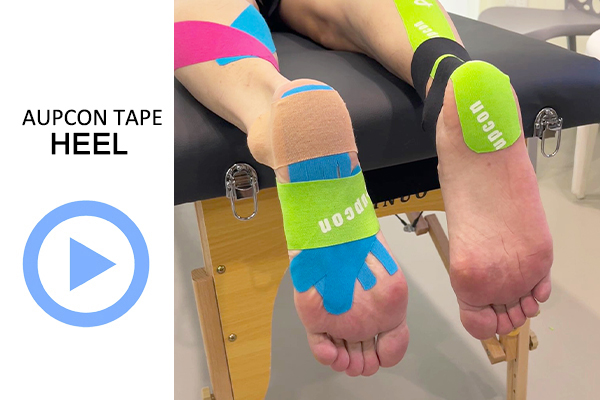
La fascia plantare si infiamma, causando dolore al tallone nei soggetti affetti da fascite plantare. Le persone che corrono molto o che stanno in piedi per lunghi periodi di tempo ne sono spesso affette. Il nastro kinesiologico per il dolore ai piedi può aiutare ad alleviare il dolore durante la camminata riducendo lo stress sulla fascia.
Scoprite il metodo di taping plantare passo dopo passo per la fascite plantare nella nostra guida dettagliata.
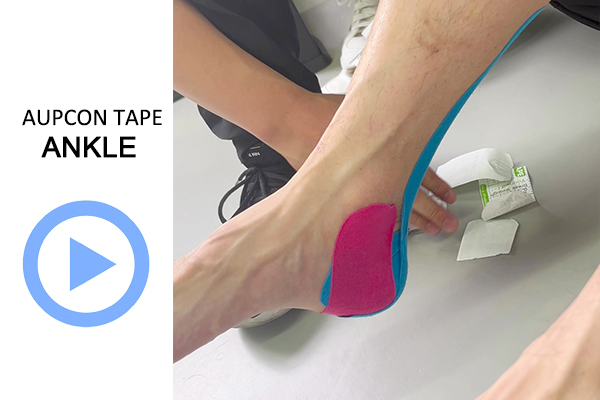
Lo sperone calcaneare è una sporgenza ossea che comunemente causa dolore a lungo termine al tallone. Il nastro kinesiologico per il dolore ai piedi non può eliminare lo sperone, ma può contribuire ad alleviare la pressione sul tallone e a rendere più confortevoli gli spostamenti.
Imparate il metodo di taping del piede per lo sperone del tallone passo dopo passo nella nostra guida dettagliata.
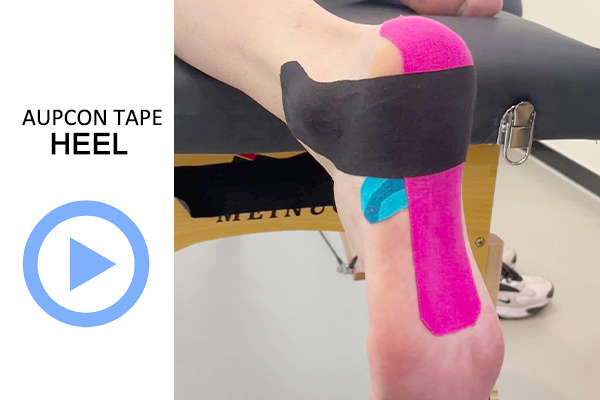
Impatti, uso eccessivo o l'uso di scarpe sbagliate possono danneggiare i talloni. Il nastro kinesiologico per il dolore ai piedi può aiutare a sostenere l'area del tallone, alleviando le tensioni e rendendola più stabile.
Scoprite il metodo di taping del piede passo dopo passo per le lesioni al tallone nella nostra guida dettagliata.
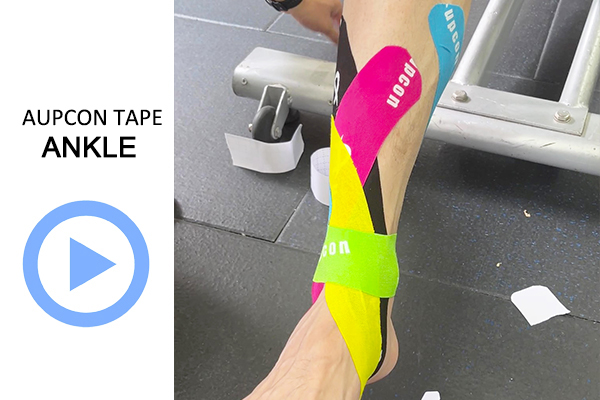
L'instabilità della caviglia può causare frequenti distorsioni, indolenzimento, edema e gonfiore durante l'attività fisica, lassità articolare o blocco articolare e scarsa equilibrio. Il nastro kinesiologico per la stabilità della caviglia può ridurre il rischio di infortuni sportivi.
Scopri il metodo passo dopo passo per il bendaggio del piede finalizzato alla stabilità della caviglia nella nostra guida dettagliata.
Come scegliere il miglior nastro kinesiologico per la caviglia
È molto importante scegliere il nastro kinesiologico corretto per la caviglia, in modo da essere più a proprio agio e aiutare a migliorare le prestazioni sportive:
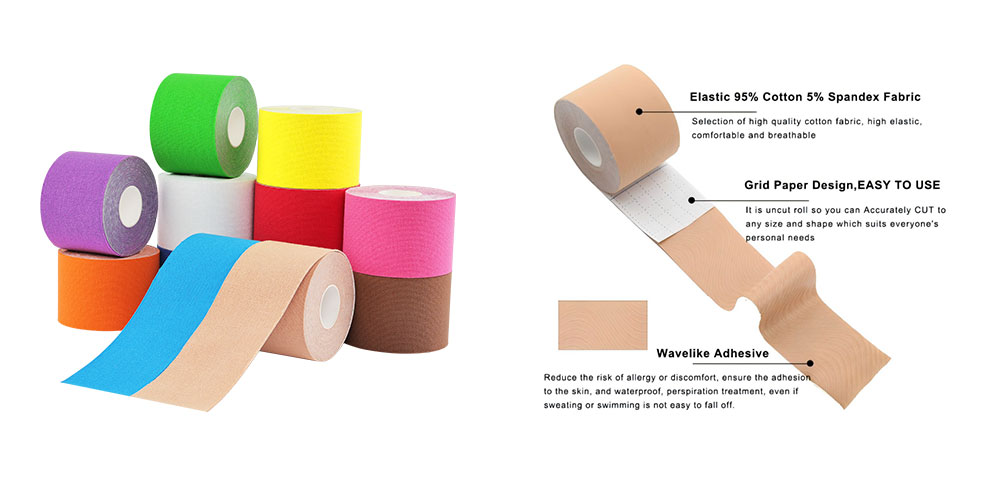
Cotone è arioso e confortevole; Rayon è forte e resistente all'usura.
Adesivo: Aderisce bene e fa bene alla pelle
Elasticità: permette al corpo di muoversi in modo naturale
Fornitura alla rinfusa: Importante per i proprietari di marchi e i distributori
Le aziende di tutto il mondo possono ottenere nastri per caviglie di alta qualità da produttori professionali come Aupcon. Offrono sia opzioni OEM che all'ingrosso.
Insomma
Nastro kinesiologico può aiutare a contrastare il dolore, la stabilità e il recupero della caviglia e del piede. Se avete a che fare con dolori alla caviglia e al piede o se siete alla ricerca di soluzioni di taping specializzate per la caviglia e il piede. spalle, ginocchia, La scelta del metodo di taping giusto è fondamentale per la schiena, le braccia, le mani o le gambe.
Continuate a consultare la nostra guida al taping per le diverse parti del corpo, oppure contattate Aupcon per trovare la soluzione più adatta alle vostre esigenze.