
Comment utiliser la bande kinésiologique pour le genou ?
Guide complet
La bande kinésiologique pour le genou est devenue une solution populaire en médecine sportive et en thérapie physique pour gérer la douleur du genou sans restreindre le mouvement.
Les douleurs au genou comptent parmi les affections musculo-squelettiques les plus courantes au monde. Elles peuvent toucher tout le monde, des marathoniens professionnels aux employés de bureau. L'articulation du genou est constamment sollicitée, qu'il s'agisse d'une douleur aiguë lorsque l'on s'accroupit ou d'une douleur progressive après une longue marche. C'est pourquoi de nombreux sportifs, kinésithérapeutes et adeptes du fitness utilisent du ruban kinésiologique pour le genou afin de soulager la douleur, d'améliorer la stabilité et d'apporter un soutien pendant les entraînements et la récupération.
Dans ce guide, vous apprendrez comment appliquer la bande kinésiologique étape par étape, explorer les différentes techniques de bandage du genou et choisir la bonne bande pour obtenir les meilleurs résultats.
Pour les acheteurs en gros et les distributeurs à la recherche de bande de kinésiologie, d'Aupcon produit de bandage sportif Cette page vous permet de découvrir facilement nos produits et de nous envoyer une demande de renseignements.
Précautions à prendre lors de l'utilisation de la bande kinésiologique pour le genou
- Appliquez une bande de kinésiologie du genou une heure avant de courir.
- Après l'application, frottez la bande kinésiologique pour le genou plusieurs fois pour qu'elle s'adapte à la peau.
- Ne pas utiliser la bande de genou sur des plaies ouvertes ou sur une peau sensible.
- Veuillez garder votre peau propre avant l'application.
- Coupez correctement les cheveux dans la zone où le ruban doit être utilisé pour un meilleur ajustement.
- Coupez les coins pour éviter de soulever le ruban en raison d'un contact excessif.
Quels sont les avantages de la bande kinésiologique pour le genou ?
La bande kinésiologique pour le genou est différente de la bande ordinaire. ruban athlétique en coton car il possède une élasticité spécifique, conçue pour imiter l'élasticité naturelle de la peau humaine. Il présente un certain nombre d'avantages uniques pour la santé :
Modulation de la douleur : Il soulève doucement la peau, créant de petits espaces entre le derme et les tissus sous-jacents. Cela soulage les récepteurs de la douleur (mécanorécepteurs), ce qui permet de soulager immédiatement les douleurs chroniques.
Une meilleure circulation sanguine et Drainage lymphatique: Il soulève la peau, ce qui favorise la circulation sanguine et le drainage lymphatique. C'est également important pour éliminer le “gonflement” qui se produit parfois à la suite de blessures au genou.
Soutien fonctionnel : La bande kinésiologique pour le genou donne à l'articulation une stabilité “adaptée” sans la bloquer. Cela permet aux joueurs de bouger dans toutes les directions et de se sentir plus en sécurité, qu'ils se déplacent latéralement ou qu'ils se penchent profondément.
Rétroaction proprioceptive : La sensation de la bande de genou sur la peau transmet en permanence des messages au cerveau, ce qui aide la personne à garder son corps et sa posture en ligne pendant qu'elle s'entraîne.
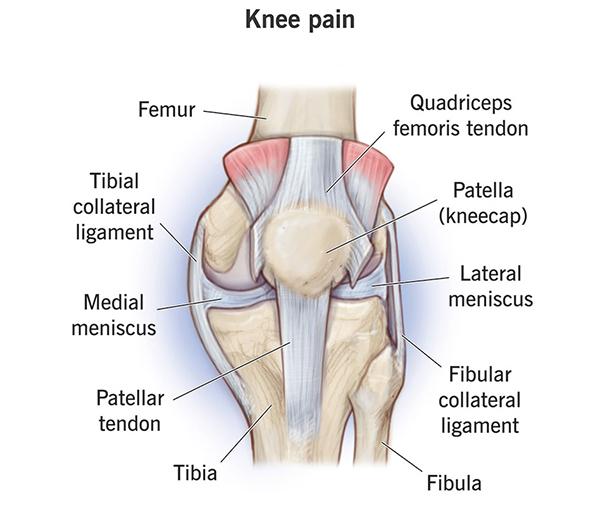
La bande kinésiologique pour le genou peut aider à résoudre les problèmes suivants
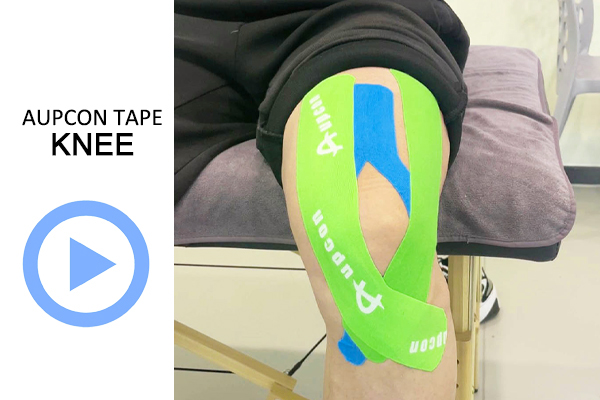
Les blessures au genou peuvent survenir lors de la pratique d'un sport, d'une activité trop intense ou d'un mouvement brusque. Elles peuvent entraîner une gêne, un gonflement et des difficultés à se déplacer. Les gens utilisent généralement la bande kinésiologique pour le genou afin d'apporter un soutien léger, de soulager la douleur et d'améliorer la circulation sanguine autour de l'articulation. Elle peut aider à maintenir le genou stable tout en lui permettant de bouger naturellement.
Apprenez la méthode de taping étape par étape pour les blessures au genou dans notre guide détaillé.
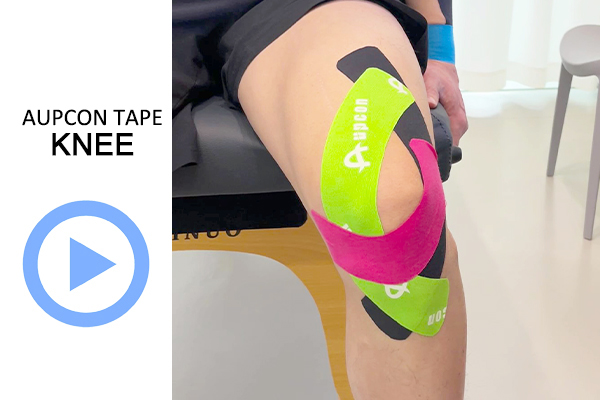
La douleur fémoro-patellaire, souvent appelée genou du coureur, est une affection fréquente qui provoque une douleur autour ou derrière la rotule. Dans la plupart des cas, cela est dû au fait que la rotule est trop sollicitée ou qu'elle est mal positionnée. La bande kinésiologique pour le genou peut aider la rotule à mieux s'aligner, ce qui rendra l'articulation moins sollicitée et le jogging ou l'exercice plus confortable.
Apprenez la méthode de taping étape par étape pour le genou du coureur dans notre guide détaillé.
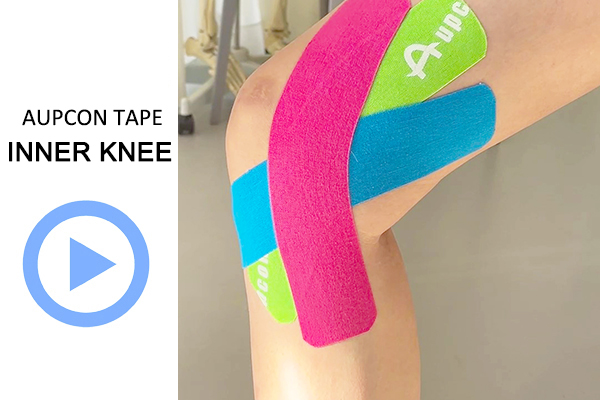
Une blessure au genou médial se produit à l'intérieur du genou et est souvent causée par une torsion ou un choc direct. Les blessures de ce type exercent souvent une pression sur les structures médiales, telles que le ligament croisé antérieur. La bande kinésiologique pour le genou peut aider à soulager la pression, à améliorer la stabilité et à promouvoir un bon alignement. Cela peut aider à soulager la douleur lors de la marche ou d'autres activités physiques.
Apprenez la méthode de taping étape par étape pour le genou médial dans notre guide détaillé.
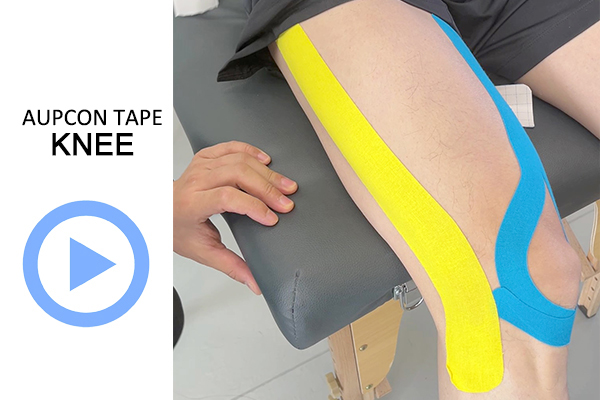
La tendinite du quadriceps est une inflammation du tendon qui relie le muscle quadriceps à la rotule. La douleur se situe généralement au-dessus du genou, en particulier lorsque vous bougez. L'utilisation d'un bandage du genou peut atténuer la pression sur le tendon, aider les muscles à mieux travailler et accélérer la guérison tout en conservant la souplesse.
Apprenez la méthode de taping étape par étape pour la tendinite du quadriceps dans notre guide détaillé.
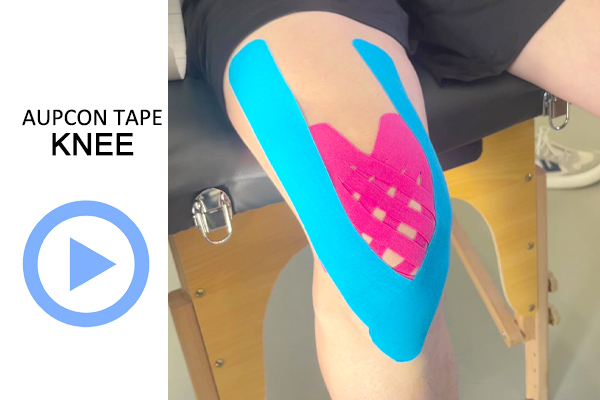
Une déchirure du ménisque est une affection fréquente du genou qui endommage le cartilage protégeant l'articulation. Elle peut provoquer une douleur, un œdème et des difficultés à plier ou à redresser le genou. La bande ne réparera pas la déchirure, mais la bande kinésiologique pour le genou peut aider en soulageant l'articulation, en la rendant plus stable et en fournissant un soutien pendant les activités régulières.
Apprenez la méthode de taping étape par étape pour les déchirures du ménisque dans notre guide détaillé.
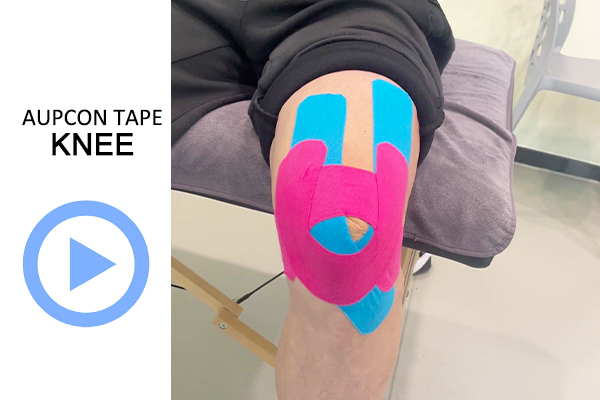
Le syndrome douloureux fémoro-patellaire fait souffrir l'avant du genou, en particulier lorsque l'on monte des escaliers ou que l'on s'accroupit. Il est généralement causé par un désalignement ou une utilisation excessive du genou. La bande kinésiologique pour le genou peut aider à corriger l'alignement rotulien, à soulager la douleur et à améliorer la fonction du genou sans limiter les mouvements.
Apprenez la méthode de taping étape par étape pour le syndrome de la douleur fémoro-patellaire dans notre guide détaillé.
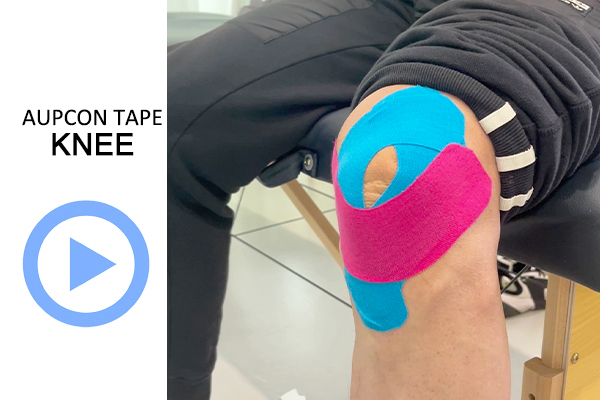
Une lésion du LCA survient lorsque le ligament croisé antérieur se blesse, ce qui peut se produire lorsque vous vous arrêtez brusquement ou que vous changez de direction. Elle peut entraîner une instabilité du genou et un gonflement. Le bandage du genou peut être utilisé comme outil de soutien pour améliorer la proprioception et vous apporter plus de stabilité lorsque vous êtes en convalescence ou que vous pratiquez une activité légère.
Apprenez la méthode de taping étape par étape pour les lésions du LCA dans notre guide détaillé.
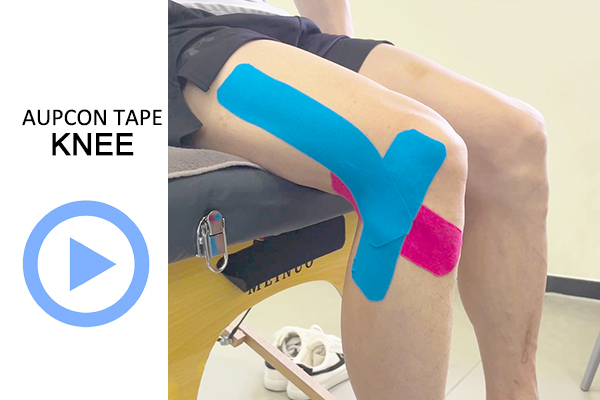
Une lésion du LCL survient lorsque le ligament externe du genou est blessé, généralement par quelque chose qui tire le genou vers l'extérieur. Cela peut entraîner une douleur et une instabilité à l'extérieur de l'articulation. La bande kinésiologique pour le genou peut aider les structures latérales du genou et vous permettre de vous sentir plus sûr de vous lorsque vous bougez.
Apprenez la méthode de taping étape par étape pour les blessures du LCL dans notre guide détaillé.
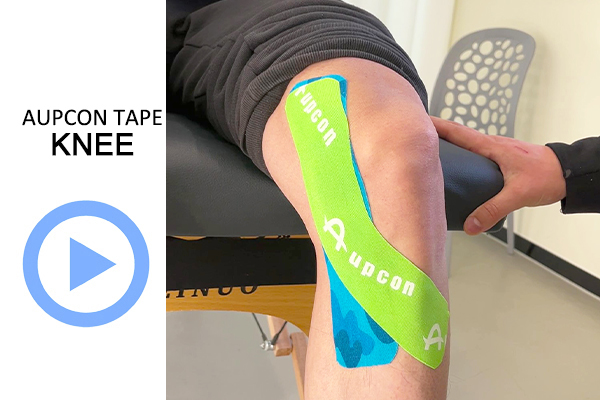
Le ligament situé à l'intérieur du genou peut se blesser facilement, c'est ce que l'on appelle une entorse du ligament latéral interne. Cela se produit généralement lorsque quelque chose le frappe directement ou qu'il subit une torsion soudaine. La bande kinésiologique pour le genou peut aider le genou à rester dans la bonne position pendant la guérison, apporter un soutien médial et réduire la tension sur le ligament.
Apprenez la méthode de taping étape par étape pour les entorses du ligament croisé antérieur dans notre guide détaillé.
Facteurs à prendre en compte lors du choix de la bande kinésiologique pour le genou
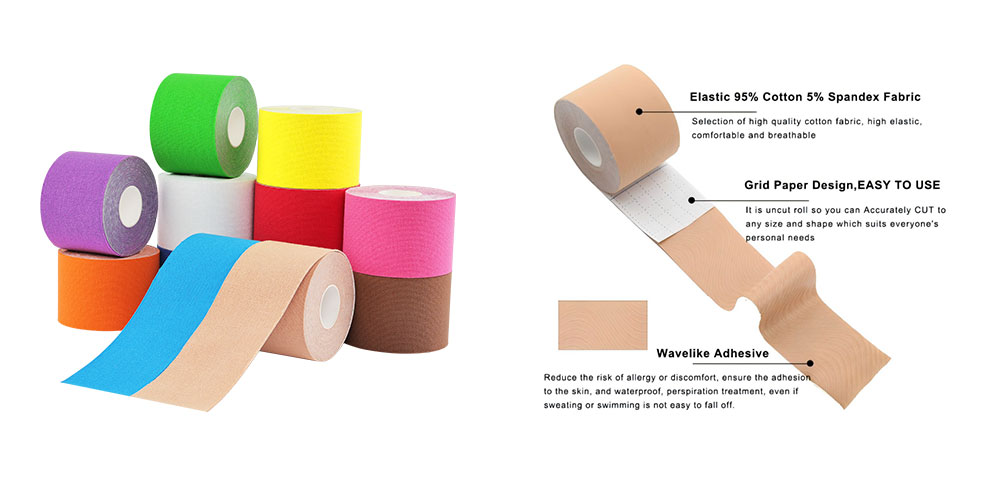
Matériau : Rubans de kinésiologie en coton sont confortables à porter pendant longtemps et laissent passer l'air.
Force d'adhérence : La colle est forte mais sans danger pour la peau, elle dure donc longtemps.
Elasticité : Un bon étirement vous permet de bouger naturellement.
La personnalisation est importante pour les marques, les distributeurs et les personnes qui achètent beaucoup de choses.
Pour des performances constantes et une adhésion respectueuse de la peau, de nombreux professionnels préfèrent la bande kinésiologique de haute qualité pour le soutien du genou. Fabricants comme Aupcon offrent des solutions OEM et de gros fiables pour les marques et les distributeurs mondiaux.
En conclusion
La bande kinésiologique pour le genou est un moyen efficace et flexible de traiter les douleurs du genou et de renforcer les articulations.
Que vous gériez une douleur au genou ou que vous recherchiez des solutions de taping spécialisées pour le épaules, cheville/pied, Le choix de la bonne méthode de pose de bandes est crucial, qu'il s'agisse du dos, des bras, des mains ou des jambes.
N'hésitez pas à consulter notre guide de bandage pour les différentes parties du corps, ou Contacter Aupcon pour trouver une solution adaptée à vos besoins.