
Cómo utilizar la cinta kinesiológica para la rodilla
Guía completa
La cinta kinesiológica para rodilla se ha convertido en una solución popular en medicina deportiva y fisioterapia para tratar el dolor de rodilla sin restringir el movimiento.
Knee pain is one of the most common musculoskeletal ailments in the world. It can affect anyone, from professional marathon runners to office workers. The knee joint is always under stress, whether it’s a sharp pain when you squat or a gradual aching after a long walk. So, a lot of athletes, physical therapists, and fitness fans utilize Kinesiology tape for knee to help with pain, stability, and support during workouts and recovery.
En esta guía aprenderá cómo aplicar la cinta kinesiológica paso a paso, explora las distintas técnicas de vendaje de rodillas y elige el esparadrapo adecuado para obtener los mejores resultados.
For bulk buyers and distributors seeking cinta de kinesiología, Aupcon’s producto de vendaje deportivo page provides an easy way to explore our products and start an inquiry.
Precauciones al utilizar kinesiology tape para la rodilla
- Aplicar una cinta de kinesiología de rodilla una hora antes de correr.
- Después de aplicarla, frota la cinta kinesiológica para rodilla varias veces para que se adapte a la piel.
- No utilice cinta para rodillas sobre heridas abiertas o piel sensible.
- Mantenga su piel limpia antes de aplicar.
- Recorta adecuadamente el cabello en el área donde se utilizará la cinta para un mejor ajuste.
- Recorta las esquinas para evitar levantar la cinta por contacto excesivo.
¿Cuáles son los beneficios de la cinta kinesiológica para la rodilla?
El esparadrapo kinesiológico para la rodilla es diferente del normal cinta deportiva de algodón porque tiene una elasticidad específica, diseñada para imitar la elasticidad natural de la piel humana. Tiene una serie de beneficios únicos para la salud:
Modulación del dolor: Eleva suavemente la piel, creando pequeños espacios entre la dermis y los tejidos que hay debajo. De este modo, se libera a los receptores del dolor (mecanorreceptores) de parte de la tensión, lo que ayuda a combatir el dolor crónico desde el primer momento.
Better Blood Flow and Drenaje linfático: Levanta la piel, lo que favorece el flujo sanguíneo y el drenaje linfático. Esto también es importante para deshacerse de la “hinchazón” que a veces se produce tras las lesiones de rodilla.
Apoyo funcional: La cinta kinesiológica para rodilla proporciona a la articulación una estabilidad “ajustada” sin bloquearla. Esto permite a los jugadores moverse en todas las direcciones y sentirse más seguros tanto si se mueven lateralmente como si se doblan profundamente.
Retroalimentación propioceptiva: La sensación que produce el vendaje de rodillas en la piel transmite mensajes al cerebro en todo momento, lo que ayuda a la persona a mantener el cuerpo y la postura alineados mientras hace ejercicio.
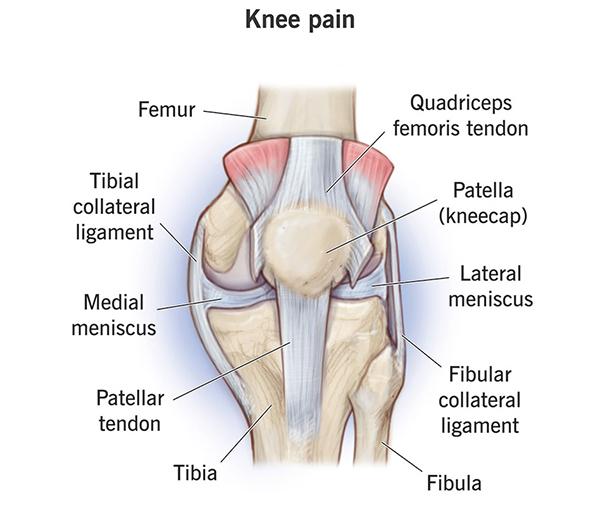
La cinta kinesiológica para la rodilla puede ayudar con estos problemas comunes
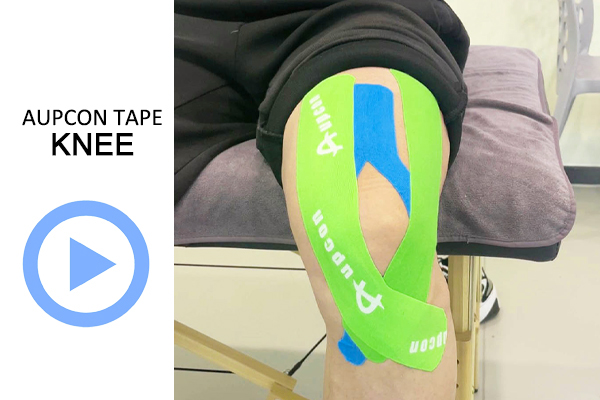
Las lesiones de rodilla pueden producirse cuando se practica algún deporte, se hace demasiado o se hace un movimiento brusco. Pueden causar molestias, hinchazón y problemas de movilidad. La cinta kinesiológica para rodilla suele utilizarse para proporcionar un apoyo ligero, aliviar el dolor y mejorar el flujo sanguíneo alrededor de la articulación. Puede ayudar a mantener la rodilla estable al tiempo que permite que se mueva con naturalidad.
Conozca paso a paso el método de vendaje para lesiones de rodilla en nuestra guía detallada.
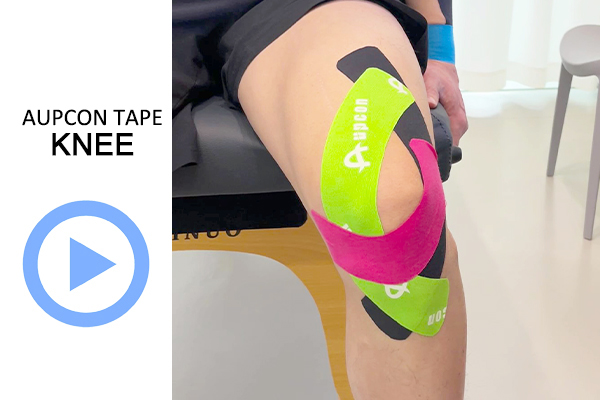
El dolor patelofemoral, a menudo conocido como rodilla de corredor, es una afección frecuente que causa dolor alrededor o detrás de la rótula. Muchas veces, se debe a que la rótula se usa demasiado o se rastrea mal. La cinta kinesiológica para la rodilla puede ayudar a alinear mejor la rótula, lo que hará que la articulación esté menos estresada y que correr o hacer ejercicio sea más cómodo.
Conozca paso a paso el método de vendaje para la rodilla de corredor en nuestra guía detallada.
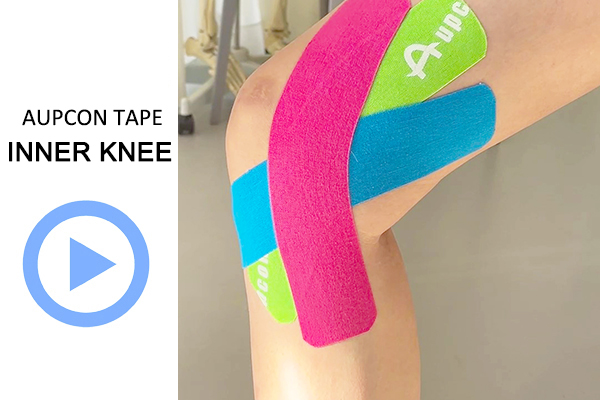
Una lesión medial de rodilla se produce en la parte interna de la rodilla y suele estar causada por una torsión o un golpe directo. Las lesiones de este tipo suelen ejercer presión sobre las estructuras mediales, como el ligamento cruzado anterior. La cinta kinesiológica para la rodilla puede ayudar a aliviar la presión, mejorar la estabilidad y promover una buena alineación. Esto puede ayudar con el dolor al caminar o realizar otras actividades físicas.
Conozca paso a paso el método de vendaje para rodillas medias en nuestra guía detallada.
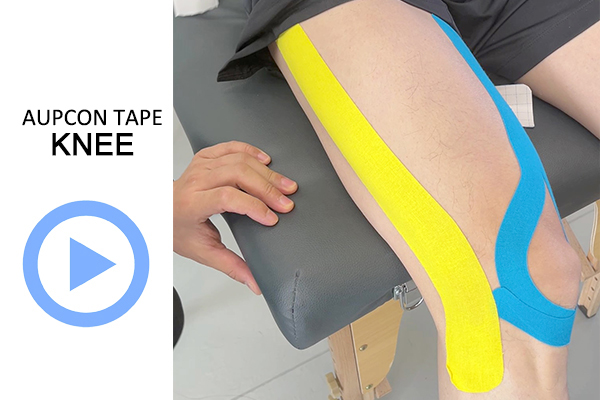
La tendinitis del cuádriceps se produce cuando se inflama el tendón que conecta el músculo cuádriceps con la rótula. Suele doler por encima de la rodilla, sobre todo cuando te mueves. El vendaje de rodilla puede aliviar la tensión del tendón, ayudar a los músculos a trabajar mejor y acelerar la curación manteniendo la flexibilidad.
Conozca paso a paso el método de vendaje para la tendinitis del cuádriceps en nuestra guía detallada.
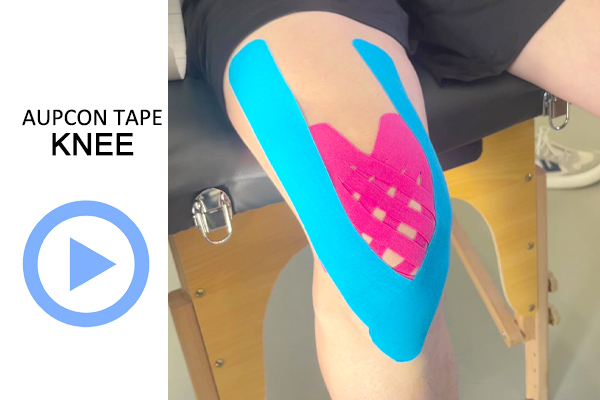
La rotura de menisco es una dolencia frecuente de la rodilla que daña el cartílago que protege la articulación. Puede causar dolor, edema y problemas para doblar o enderezar la rodilla. El vendaje no repara la rotura, pero la cinta kinesiológica para la rodilla puede ayudar a aliviar la tensión en la articulación, hacerla más estable y proporcionar apoyo durante las actividades habituales.
Conozca paso a paso el método de vendaje para las roturas de menisco en nuestra guía detallada.
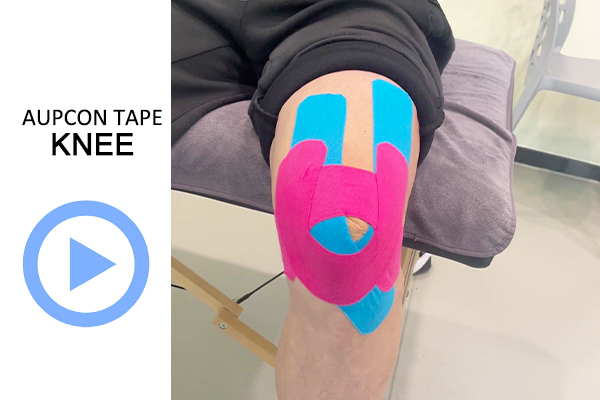
El síndrome de dolor patelofemoral hace que duela la parte delantera de la rodilla, sobre todo cuando se hacen cosas como subir escaleras o ponerse en cuclillas. Generalmente se produce por estar desalineada o por utilizarla demasiado. La cinta kinesiológica para la rodilla puede ayudar a fijar la trayectoria de la rótula, aliviar el dolor y mejorar la función de la rodilla sin limitar el movimiento.
Conozca paso a paso el método de vendaje para el síndrome de dolor patelofemoral en nuestra guía detallada.
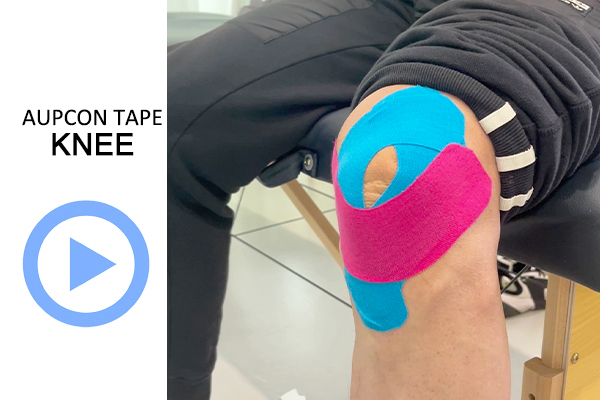
Una lesión del LCA se produce cuando se lesiona el ligamento cruzado anterior, lo que puede suceder al detenerse repentinamente o cambiar de dirección. Puede provocar inestabilidad e hinchazón en la rodilla. El vendaje de rodilla puede utilizarse como herramienta de apoyo para mejorar la propiocepción y proporcionarte más estabilidad cuando te recuperas o realizas una actividad leve.
Conozca paso a paso el método de vendaje para la lesión del LCA en nuestra guía detallada.
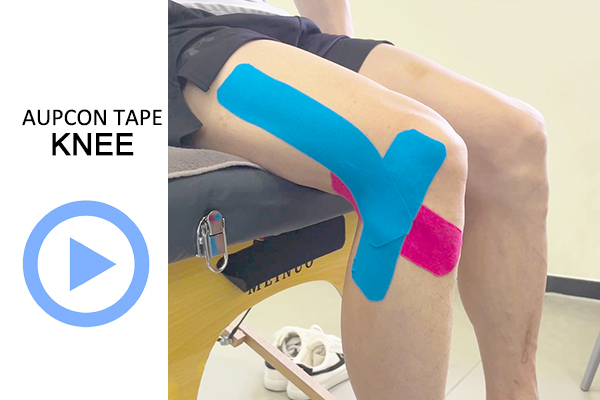
Una lesión del LCL se produce cuando el ligamento externo de la rodilla se lesiona, normalmente porque algo tira de la rodilla hacia fuera. Esto puede causar dolor e inestabilidad en la parte externa de la articulación. La cinta kinesiológica para rodilla puede ayudar a las estructuras laterales de la rodilla y hacer que te sientas más seguro de ti mismo cuando te mueves.
Conozca paso a paso el método de vendaje para la lesión del LCL en nuestra guía detallada.
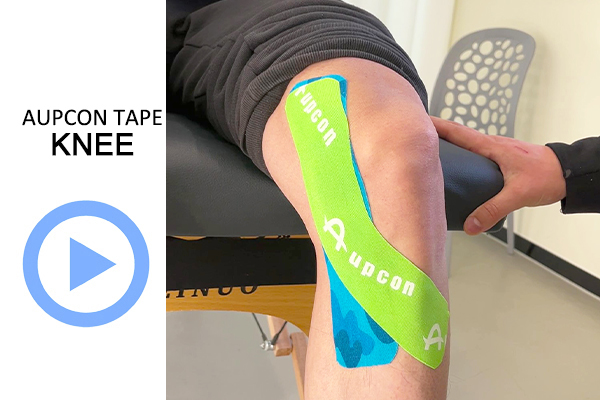
El ligamento de la parte interna de la rodilla puede lesionarse con facilidad, y eso es lo que es un esguince del ligamento lateral interno. Suele ocurrir cuando algo lo golpea directamente o se tuerce de repente. La cinta kinesiológica para rodilla puede ayudar a que la rodilla se mantenga en la posición correcta mientras se cura, dar soporte medial y disminuir la tensión en el ligamento.
Conozca paso a paso el método de vendaje para esguinces del ligamento cruzado anterior en nuestra guía detallada.
Factores a tener en cuenta al elegir la cinta kinesiológica para la rodilla
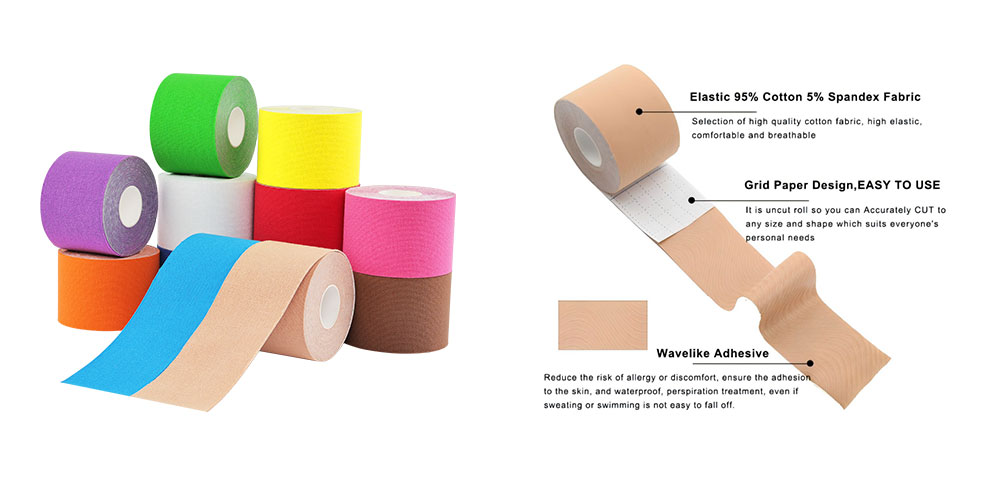
Material: Cintas kinesiológicas de algodón son cómodos de llevar durante mucho tiempo y dejan pasar el aire.
Fuerza adhesiva: El pegamento es fuerte pero seguro para la piel, por lo que dura.
Elasticidad: Un buen estiramiento te permite moverte con naturalidad.
La personalización es importante para las marcas, los distribuidores y las personas que compran muchas cosas.
Por su rendimiento constante y su adherencia agradable a la piel, muchos profesionales prefieren la cinta kinesiológica de alta calidad para la sujeción de las rodillas. Fabricantes como Aupcon ofrecen soluciones OEM y mayoristas fiables para marcas y distribuidores mundiales.
En conclusión
La cinta kinesiológica para rodilla es una forma buena y flexible de tratar el dolor de rodilla y fortalecer las articulaciones.
Tanto si está tratando un dolor de rodilla como si busca soluciones de vendaje especializadas para el hombros, tobillo/pie, espalda, brazos, manos o piernas, elegir el método de vendaje adecuado es crucial.
Please continue browsing our taping guide for different body parts, or Ponte en contacto con Aupcon to find a solution that suits your needs.