How to use kinesiology tape for ankle stability?
Ankle stability
Applying kinesiology tape for ankle stability properly helps to reduce the risk of sports injuries. For example, ankle instability can lead to frequent ankle sprains, soreness, edema, and swelling with activity, joint laxity or locking, and poor balance. This article will teach you how to apply it in a step-by-step way.
Kinesiology tape TAPING TIPS
- Clean the skin before application for prolonged use of kinesiology tape for ankle stability.
- For a secure hold, round the corners with kinesiology tape scissors to prevent peeling.
- Do not touch the adhesive surface when applying the ankle physio tape to avoid affecting the stickiness.
- After applying, rub the ankle physio tape several times to make it stick.
- Do not wear continuously. Replace the tape every 3-7 days for better effect.
- Do not apply to the area if there is an open wound on the feet.
How to use kinesiology tape for ankle stability?
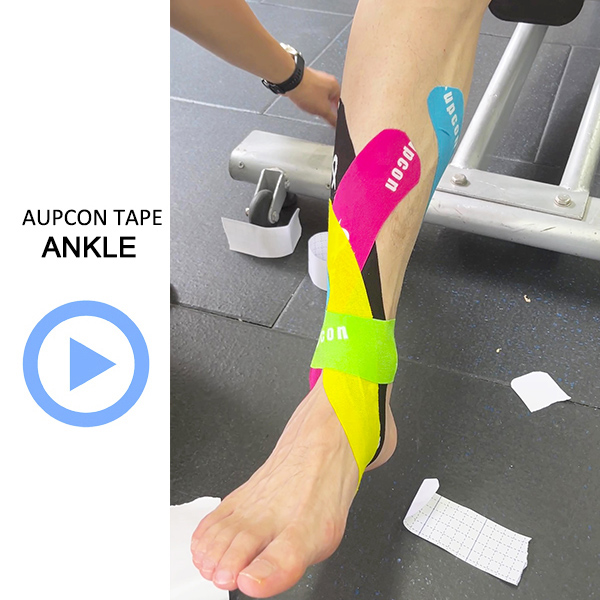
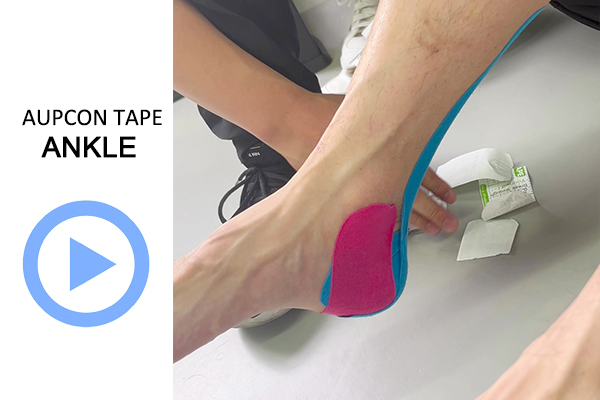
First, stick a tape to the inner side of the sole. Stretch to 50%, then secure on the calf.
Take a new tape, fix it to the opposite side of the sole, stretch to 50% outward from the calf.
Secure the end of the second tape. Now form a X-shape across the anterior of the calf.
Apply the third tape around the starting point of the first strip on the sole. Strecth to 50%.
Pull the third ankle physio tape toward the lateral calf, then secure the end in place.
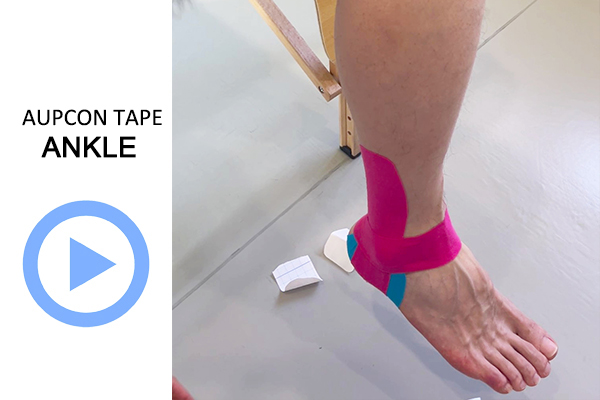
Using 75% stretch, start the strip at the posterior of the ankle, wrap around the ankle, and secure the end.
Take the fifth strip, starting at the lateral ankle. Using 50% stretch, pull it upward toward the calf muscle.
What is a kinesiology tape for ankle stability?
Key benefits of kinesiology tape for ankle stability
Enhanced Proprioception: Stimulate skin receptors, increase joint position awareness, and effectively avoid ankle sprains.
Flexible Support: Ankle physio tape helps to protect ligaments without limiting movement and regular activity.
Promotes Circulation: Gently elevates the skin, expands the subcutaneous areas, speeds up lymphatic drainage, and reduces ankle edema.
Activates Muscles: Provides ongoing tactile feedback that activates stabilizing muscles, such as the peroneal tendon, while enhancing posture and balance.
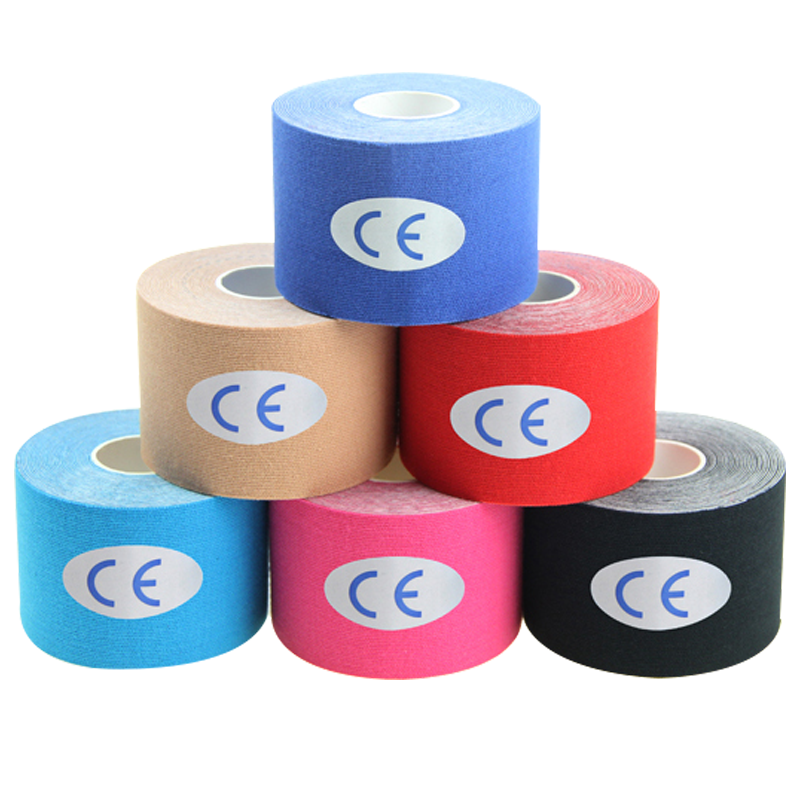
Cotton kinesiology tape
for ankle stability
→
Frequently Asked Questions
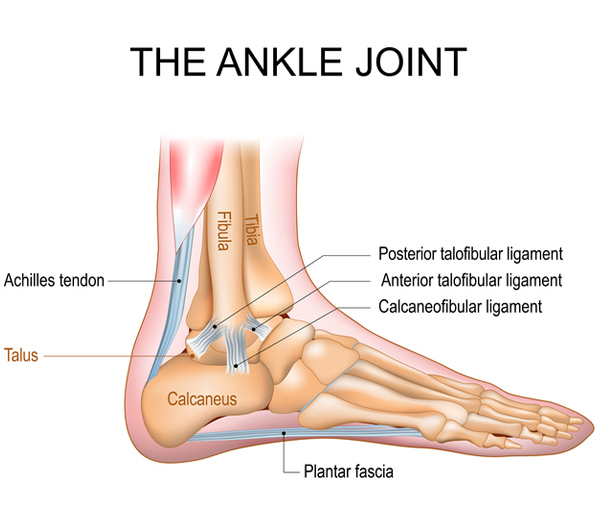
Kinesiology tape for ankle stability helps to hold the lateral part of the ankle, reducing traction, pressure, and rubbing of the peroneal tendon when moving, taking the load off the problematic area, and relieving discomfort.
Wrapping the anklecan improve swelling and bruising around the tendon by promoting local blood and lymphatic drainage.
It may diminish motions which often give rise to discomfort, such as lateral and inversion ankle sprains, hence providing a stable environment for tendon recovery.
Ankle braces and kinesiology tape for ankle stability are both useful to prevent or treat ankle sprains. But for different durations of time.
Ankle physio tape is an adjunctive immobilisation treatment, which does not entirely immobilise the joint and is typically used in rehabilitation after the acute phase, when the swelling goes down, to recover muscle function.
In the initial phases of a mild to moderate ankle sprain, braces are utilised to immobilise the ankle and prevent it from everting or inverting again.
The best tape for ankle support depends on the level of stability and flexibility you need.
Cotton elastic sport tape provides lighter support but gives you more freedom to move, so it’s a nice choice if you’re active and want to be mobile during a workout.
Zinc oxide tape for feet is a popular option for strong, rigid support and is widely used in sports to assist in limiting excessive ankle movement.
Cohesive bandage ankle can also help to give compression and additional support, particularly during recuperation or for slight ankle instability.
The best choice depends on your activities, comfort preferences, and support requirements.
Yes. Kinesiology tape for ankle stability is designed to support muscles and joints but still allow for natural mobility, making it a popular choice for sports such as football, running and basketball.
Other Body Parts
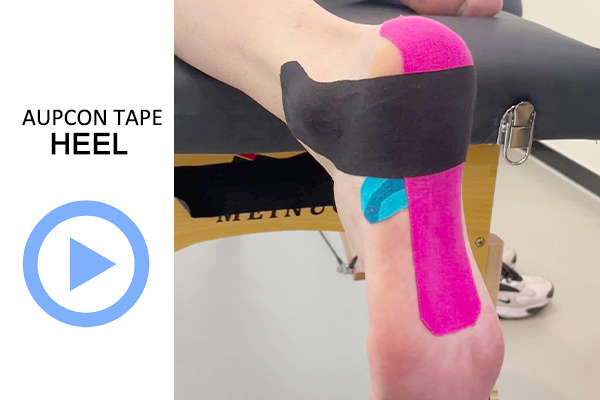
As a professional kinesiology tape manufacturer, we not only give you high-quality items, but we also know how to apply muscle tape properly! Besides this article, we have posted different tutorials for foot, such as lateral ankle sprains, heel pain and spur. If this tutorial has helped you, please follow us as we will keep updating with more sport tape usage recommendations for different body areas.