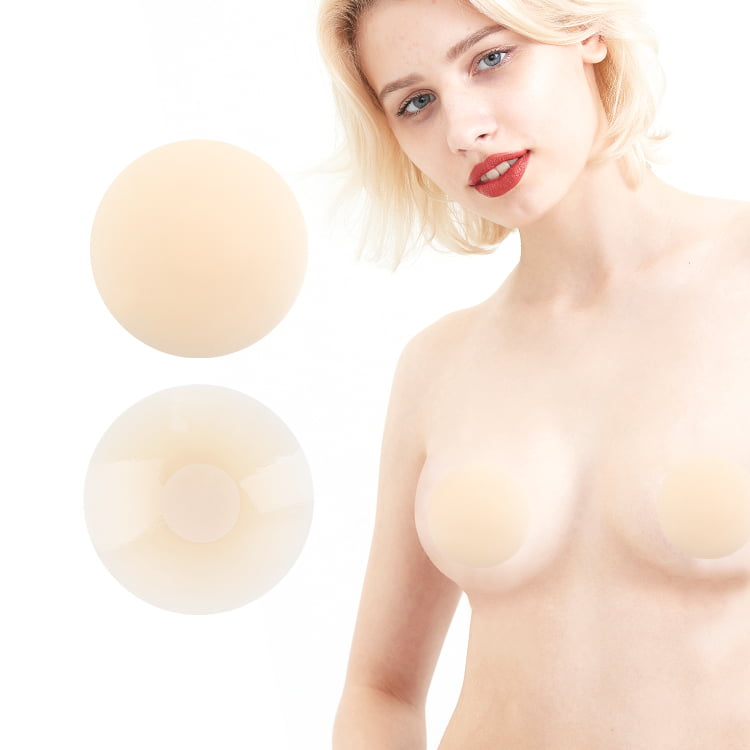
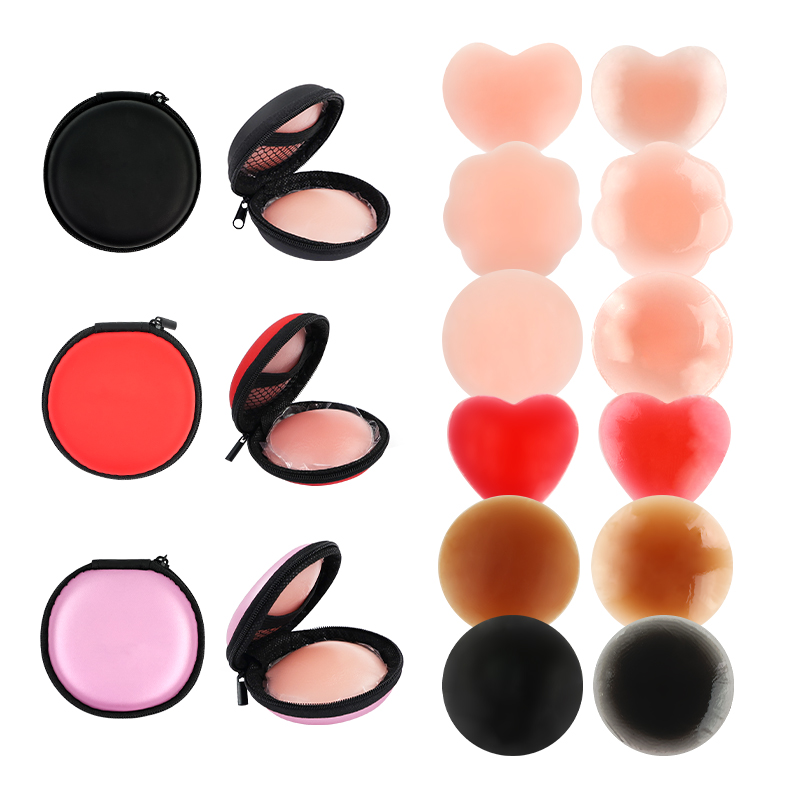
Kinesiology tape thigh is an ultra-thin breathable physical therapy tape with elasticity, which has different widths, colors and elasticity.
Nowadays, people pay more attention to fitness activities, which are mainly aimed at exercising and enhancing their physical fitness, or at losing weight, exercising muscles, and so on. Different exercise methods and frequencies can have different impacts on different parts of our body. Our thighs are often the most vulnerable to injury.
If our thighs are injured, we should consult a doctor as soon as possible to determine the severity of the injury and adopt the optimal treatment method. If you feel pain and swelling above the knee, the tissue connecting the quadriceps femoris muscle and the knee may be injured. This injury is sometimes called quadriceps femoris muscle tendinitis.
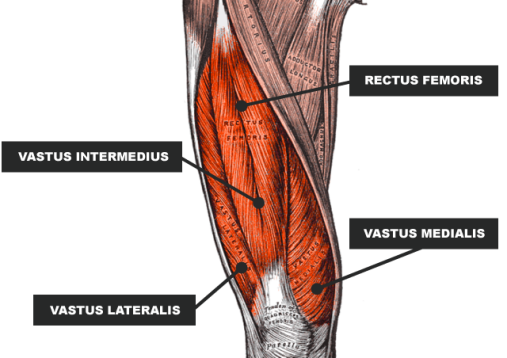
Quadriceps femoris muscle are the muscles covering the front of our entire thigh, including four major muscles: rectus femoris, lateral femoris, medial femoris and medial femoris. Their main function is to straighten our feet and maintain our upright posture.
We must also use this muscle when running and jumping. When the repetitive stress on the quadriceps femoris muscle or the excessive stress is applied when the muscle is not adapted, the quadriceps femoris muscle will be affected by its force and produce contraction pain.A common thigh strain is excessive stretching caused by excessive use of leg muscles.
Wozu dient das Kinesiologie-Tape am Oberschenkel?
Lassen Sie uns zunächst das verstehen Kinesiologie-Tape Oberschenkel: kinesiology tape thigh is an ultra-thin breathable tape with elasticity, which has different widths, colors and elasticity. It can be cut into different shapes according to needs and applied to the skin, muscles, and joints that need treatment, such as Waffen, thighs, Kälber, zurück, usw.
Although the application area of the kinesiology tape thigh is different, its essential function is to help muscles and joints make positive adjustments, play a supporting and stabilizing role. kinesiology tape thigh generates pressure and tension on the skin, stimulates mechanoreceptor, and promotes blood and lymph circulation. The main positioning of kinesiology tape thigh is to apply kinesiology tape to the thigh area.
Sollte ich das Kinesiologie-Tape am Oberschenkel selbst anbringen?
Wenn Sie über entsprechende Erfahrung verfügen, können Sie es selbst veröffentlichen. Wenn Sie jedoch nicht über entsprechende Erfahrung verfügen, wird empfohlen, einen Fachmann um Hilfe zu bitten.
Wie klebst du deine Oberschenkel damit? Kinesiologie-Tape Oberschenkel?
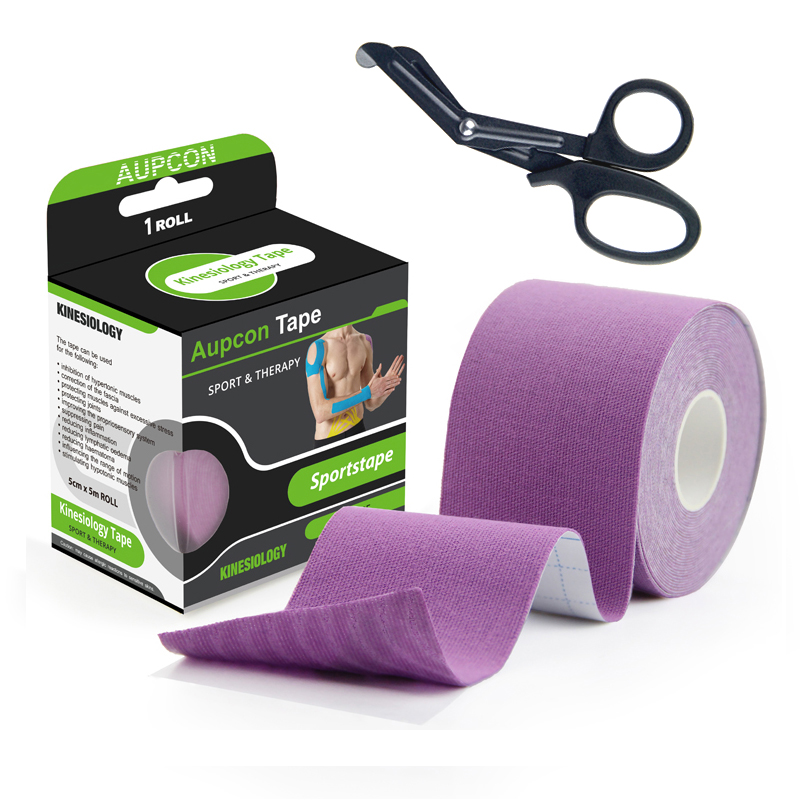
Before starting to use, we first need to prepare the Kinesiologie-Tape aus Baumwolle and kinesiology tape scissors.At the same time, before use, ensure that the skin is clean and dry, and pay attention to body hair: avoid damage caused by removing the kinesiology tape thigh.
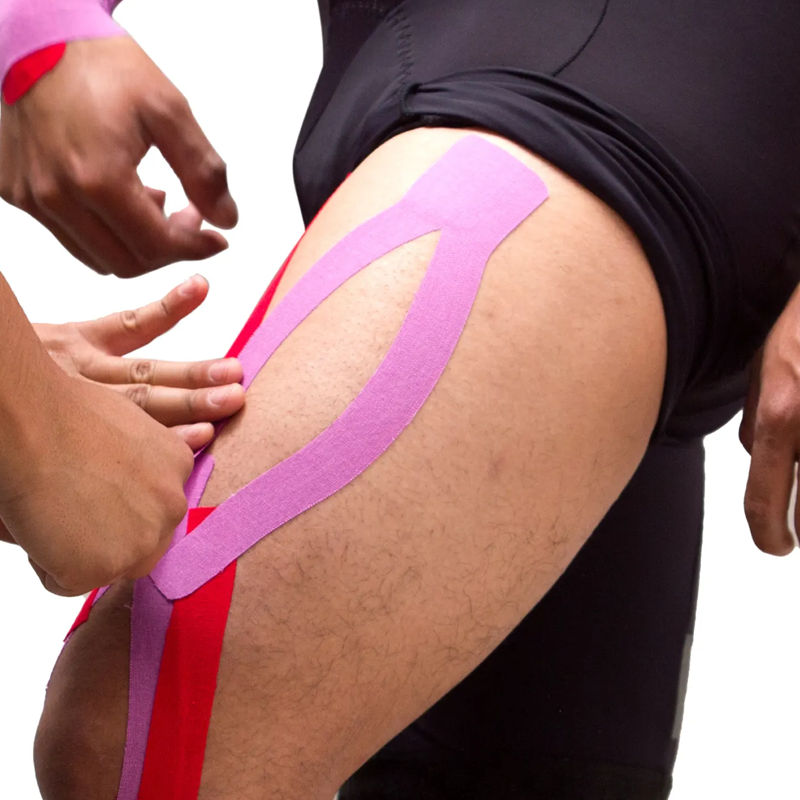
Normalerweise kann die Tendinitis des Musculus quadriceps femoris durch die lange Y-Form + den Abschluss des horizontalen Muskelpflasters verlaufen. Natürlich ist dies nicht die einzige Option, wir können je nach konkreter tatsächlicher Situation unterschiedliche Entscheidungen treffen.

Schritt 1: Wählen Sie zunächst ein Motorband, das lang genug ist, um von der Mitte unserer Oberschenkel bis zur Oberseite unserer Schienbeine zu reichen. Schneiden Sie mit einer Schere ein Ende des Kinesiologie-Tapes der Länge nach entlang der Mitte des Bandes ab und teilen Sie es in zwei gleiche „Schwänze“. Entlang der Hälfte des Bandes trennen. Runden Sie dann alle drei Enden des Bandes mit einer Schere ab.
Schritt 2: Beugen Sie das Knie um 90 Grad und platzieren Sie das ungeöffnete Ende des Kinesiologie-Tapes in der Mitte der Vorderseite des Oberschenkels. Bringen Sie das Kinesiologie-Tape ohne Dehnung an. Der Ausgangspunkt der Spaltung muss oberhalb des Knieknochens liegen
Schritt 3: Falten Sie das gegabelte Ende des Kinesiologie-Tapes um den Knieknochen herum. Ziehen Sie jedes Stück Klebeband von beiden Seiten des Knieknochens ab und wickeln Sie es unter den Knieknochen. Bringen Sie das Klebeband erneut an, ohne es zu dehnen. Die Enden der beiden Gabeln sollten sich im weichen Bereich unterhalb des Knieknochens kreuzen
Schritt 4: Reiben Sie abschließend mit der Hand über das Kinsiologie-Tape, um leichten Druck darauf auszuüben und den Kleber zu aktivieren
Where to get kinesiology tape?
Kinesiologie-Tape is now very common,and there are many different brands and manufacturers. You can often see people using it in different scenarios.We usually have many channels to purchase, including offline channels such as hospitals, fitness centers, supermarkets, and physical therapy stores; Online purchase can be made on online platforms, such as Amazon, WalMart, Alibaba, etc.
However, if you do not know the industry, you should identify professional manufacturers or suppliers, such as Aupcon Medical, which is a brand manufacturer focusing on kinesiology tape, with strict quality control, good industry reputation and good customer reputation. If you are interested, you can learn and try it out~