Das Tapen der Beine ist ebenfalls ein wichtiger Schritt für Laufbegeisterte. Unter der von Jahr zu Jahr wachsenden Zahl von Läufern beobachten wir häufig, dass viele aus unterschiedlichen Gründen unter verschiedenen Sportverletzungen leiden, darunter auch Schmerzen an der Vorder- und Rückseite der Wade. Manche halten dies für einfache Ermüdung und Muskelkater, wissen jedoch nicht, dass es sich um eine Sportverletzung handelt, die oft übersehen wird: Schienbeinschienenverletzung.
Mit Schienbeinschienenverletzungen, Knieschmerzen, Plantarfasziitis, Sehnenscheidenentzündung, und Muskelschmerzen – darauf folgt eine Reihe von Reaktionen. Das Auftreten dieser Situation bedeutet auch, dass zukünftige sportliche Aktivitäten beeinträchtigt werden, was im Alltag viele Unannehmlichkeiten mit sich bringt. Es gibt jedoch mittlerweile eine Möglichkeit, diesem Problem vorzubeugen und es zu lindern, nämlich die Anwendung von Kinesiologisches Tape zum Taping der Beine. Das richtige Aufkleben auf die Beine hat eine gute Wirkung, so dass sich immer mehr Sportler und Sportbegeisterte für das Taping der Beine entscheiden, um die Beine zu schützen und die Schäden nach dem Training zu verringern.

Was ist das Tapen der Beine?
Das Tapen der Beine wird von Sportlern häufig beim Sport und bei körperlicher Aktivität eingesetzt, um Muskeln und Gelenke zu stützen und zu stabilisieren. Beim Tapen der Beine werden bestimmte Bereiche des Beins mit Kinesiologie-Tape versehen, um Verletzungen vorzubeugen, zusätzliche Unterstützung zu bieten oder die Regeneration zu fördern.


Anlegen von Kinesiologieband Beine einwickeln?
Der erste ist an der Vorderseite der Oberschenkelmuskelgruppe befestigt und stützt die Quadrizeps.
Schritt 1: Beugen Sie Ihre Knie und messen Sie die Länge des Pflasters, beginnend von der Unterkante der Kniescheibe bis zu 2/3 des Oberschenkels.
Schritt 2: Befestigen Sie zunächst ein Stück Pflaster am hervorstehenden Teil der Unterkante der Kniescheibe, dehnen Sie das Pflaster leicht (Sie spüren, dass es gedehnt ist) und folgen Sie dabei den Muskeln an der Vorderseite des Oberschenkels (die an der Außenseite des Oberschenkels leicht konkav verlaufen) und kleben Sie das Pflaster von unten nach oben auf.
Schritt 3: Lassen Sie zum Schluss ein Stück Flicken übrig und befestigen Sie ihn sowohl auf der linken als auch auf der rechten Seite am Oberschenkel. Schließlich wird eine Y-Form angezeigt. Schließlich ist keine Spannung erforderlich, um das Anfangs- und Endende des Pflasters zu fixieren. Reiben Sie es nach dem Einkleben hin und her, um das Schmelzen des Klebers zu erleichtern, und kleben Sie es gleichmäßig auf die Haut.
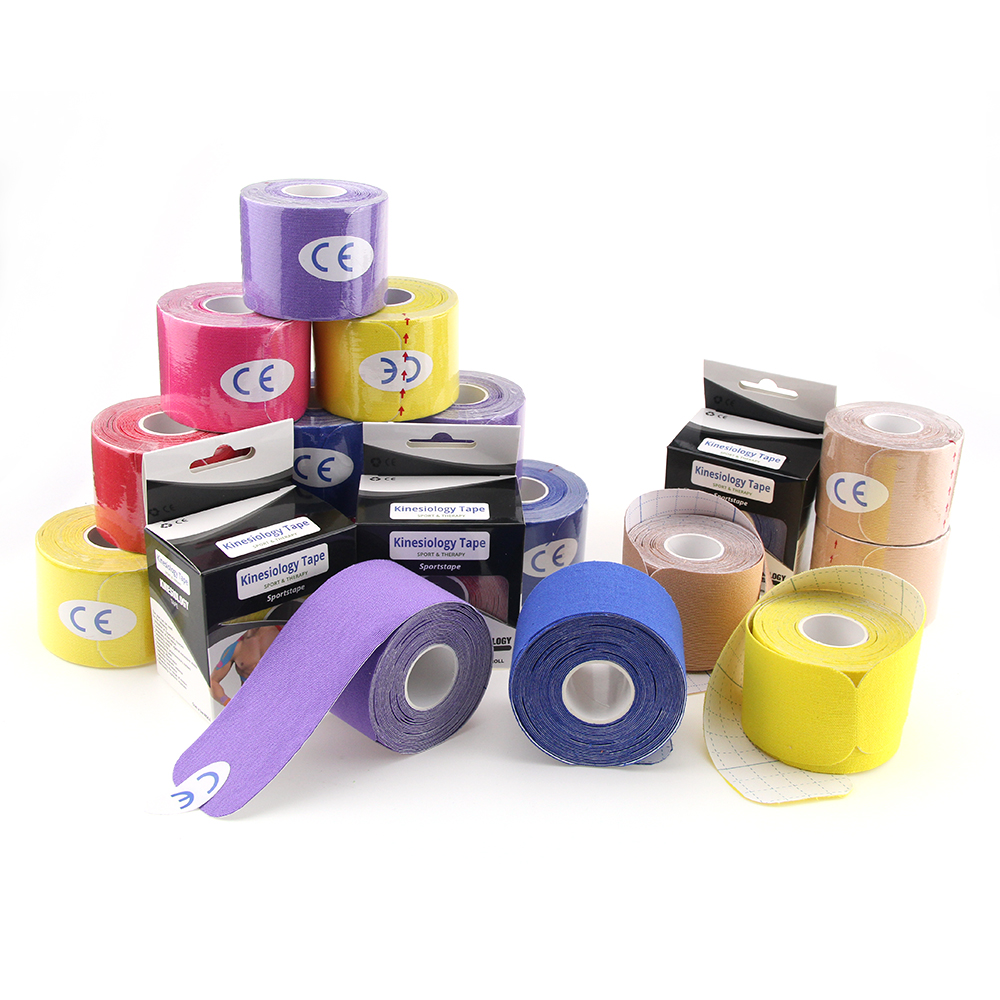
Hilft Kinesiologie-Tape für die Beine?
Kinesiologie-Tape für die Beine ist eine nicht-invasive Behandlungsmethode. Das leichte und atmungsaktive Pflaster wird auf die Haut geklebt, wodurch der menschliche Körper stimuliert und somit physiologische Funktionen beeinflusst und reguliert werden können. Kinesiologie-Tape für die Beine kann auf sechs wichtige physiologische Systeme einwirken: Haut (Epidermis, Dermis), Nerven, Faszien, Muskeln, Gelenke sowie Kreislauf, Lymphe usw.
Die Haut ist das größte Organ des menschlichen Körpers. Sie ist reich an verschiedenen Sinnesrezeptoren und Kapillaren. Die Haut des menschlichen Körpers ist voll von Sinnesrezeptoren. Die Sinnesnerven leiten die Signale an den Gehirnbereich weiter. Nachdem sie vom Gehirn interpretiert wurden, werden die Signale von den motorischen Nerven weitergeleitet. sorgen dafür, dass der Körper reagiert.
Das Gewicht und die Dicke des Kinesiologie-Tape für die Beine ahmt die Haut des menschlichen Körpers nach. Dank der speziellen Klebstoffzusammensetzung und des Beschichtungsverfahrens haftet das Pflaster auf der Haut und bleibt dabei atmungsaktiv. Das Pflaster ist elastisch und dehnbar.
Wenn das Pflaster auf die Haut aufgebracht wird, führt die Straffung des Pflasters zu Faltenbildung auf der Haut. Diese Falten können den Druck auf die Sinnesrezeptoren in der Haut verringern, Schmerzen regulieren, den subkutanen Raum vergrößern und die Mikrozirkulation der subkutanen Mikrogefäße sowie der interstitiellen Flüssigkeit fördern. Daher ist die Wirkung des Tapings an den Beinen nach Übungen mit Kinesiologie-Tape nach wie vor beträchtlich und kann Muskelermüdung und Schmerzen wirksam lindern.

wie man abhebt Kinesiologie-Tape Beine?
Nachdem Sie das Tape für die Beine verwendet haben, sollten Sie es vorsichtig von der Kante entlang des Beins abreißen. Denken Sie daran, es nicht gewaltsam zu entfernen, um die Hautoberfläche nicht zu beschädigen.
Vor dem Entfernen sollten Sie das Kinesiologie-Tape an den Beinen einige Minuten lang in Wasser einweichen oder das Kinesiologie-Tape an den Beinen mit einem feuchten Handtuch oder einer Lotion befeuchten und es dann langsam entfernen, da sonst Ihre oberflächliche Haut abgerissen werden kann, was zu Rötungen oder Ausschlag führen kann. Wenn Sie versehentlich einen solchen Fehler machen und dazu führen, dass die Haut abfällt, spielt das keine Rolle, da es sich nur um die oberflächliche Haut handelt, keine besondere Behandlung erforderlich ist und diese sich nach einer Nacht Schlaf automatisch regeneriert.