Möchten Sie wissen, wie man einen Knöchel mit Kinesiologie-Tape bandagiert? Dann sollten Sie wissen, was Kinesiologie-Tape ist und wie man das richtige Kinesiologie-Tape für den Knöchel auswählt.
Was ist ein kinesiologisches Tape am Knöchel?
Die Kinesiologisches Tape Knöchel ist eigentlich ein Kinesiologie-Tape, das auf eine feste Größe zugeschnitten ist und sich besonders gut zum Umwickeln des Knöchels eignet; daher bezeichnen wir es als „Kinesiologie-Tape für den Knöchel“, das alle Eigenschaften des Muskel-Tapes aufweist. Es ist atmungsaktiv, haftend und weich und eignet sich daher für die Anwendung auf der Haut.

Wie wählt man das Kinesiologie-Klebeband am Knöchel?
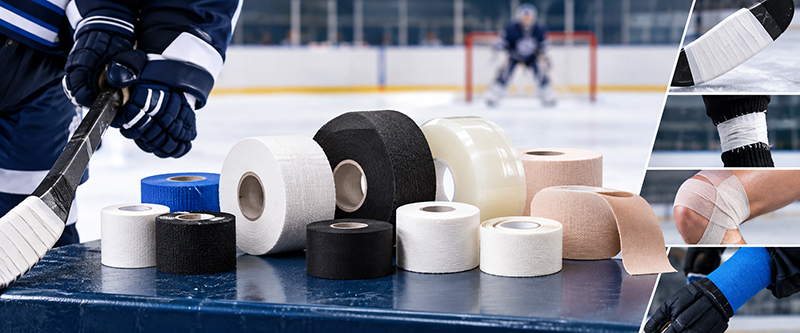
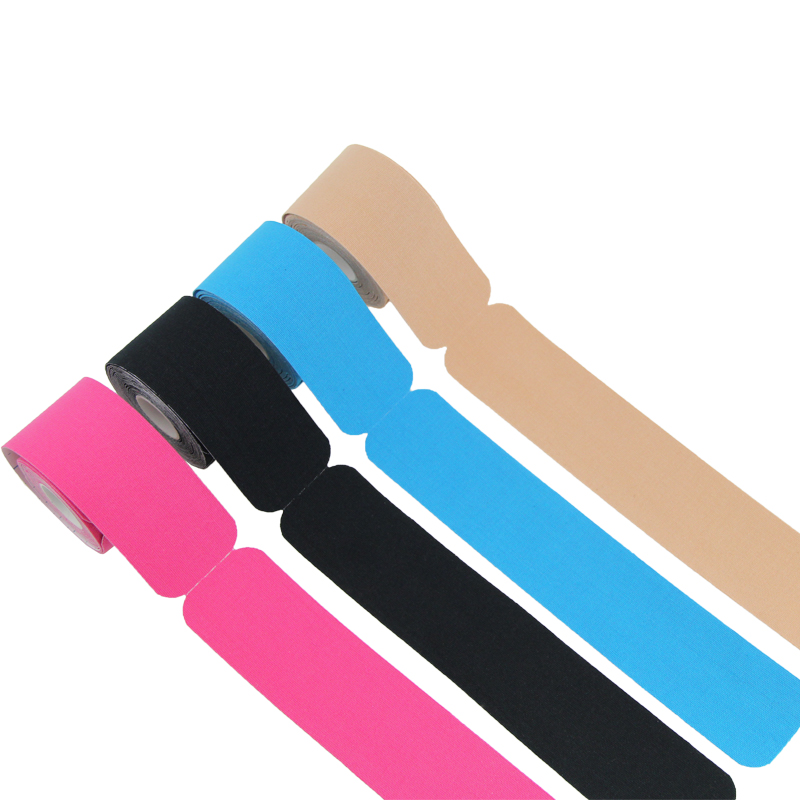
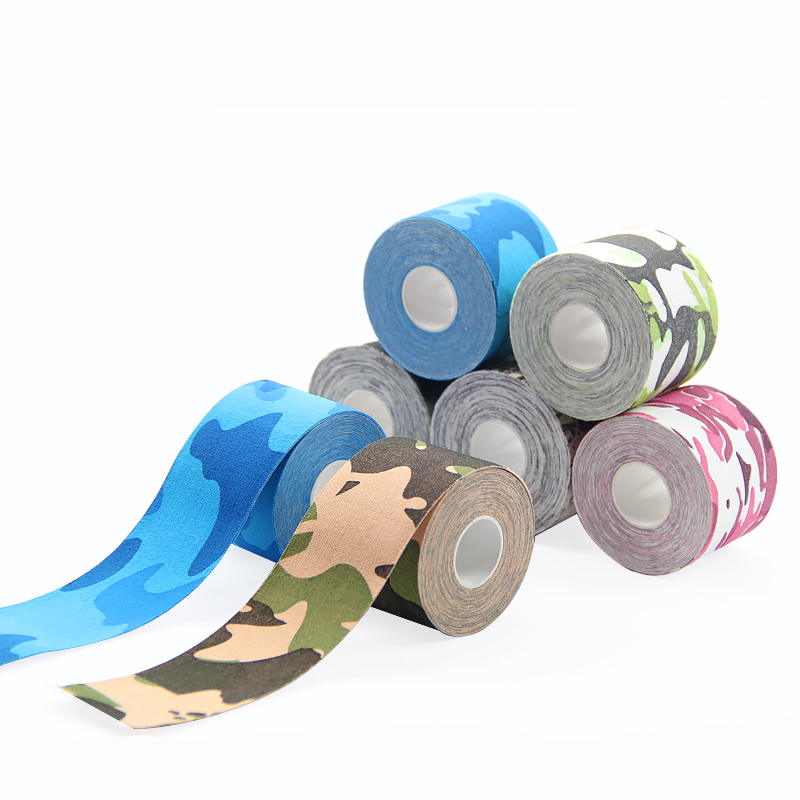
Es gibt viele Arten von Kinesiologie-Tape-Knöcheln, eines ist vorgeschnitten, die meisten Leute nennen es vorgeschnittenes Muskeltape, und das andere ist ungeschnitten, eine ganze Rolle, das ist das gewöhnliche Kinesiologie-Tape-Knöchel.
Sie sollten also zunächst die Muskelaufkleber auswählen, die Sie benötigen: bereits zugeschnitten oder ungeschnitten. Wenn Sie sie im Freien oder auf dem Sportplatz verwenden, empfehle ich Ihnen, eine vorgeschnittene Variante zu wählen, da diese direkt durch Abreißen verwendet werden kann, ohne dass Sie sie zuschneiden müssen. Schließlich ist es in vielen Situationen sehr umständlich, eine Schere mitzunehmen. Wenn es Ihnen nichts ausmacht, können Sie natürlich auch die ungeschnittene Variante wählen – der Preis ist dann etwas günstiger.
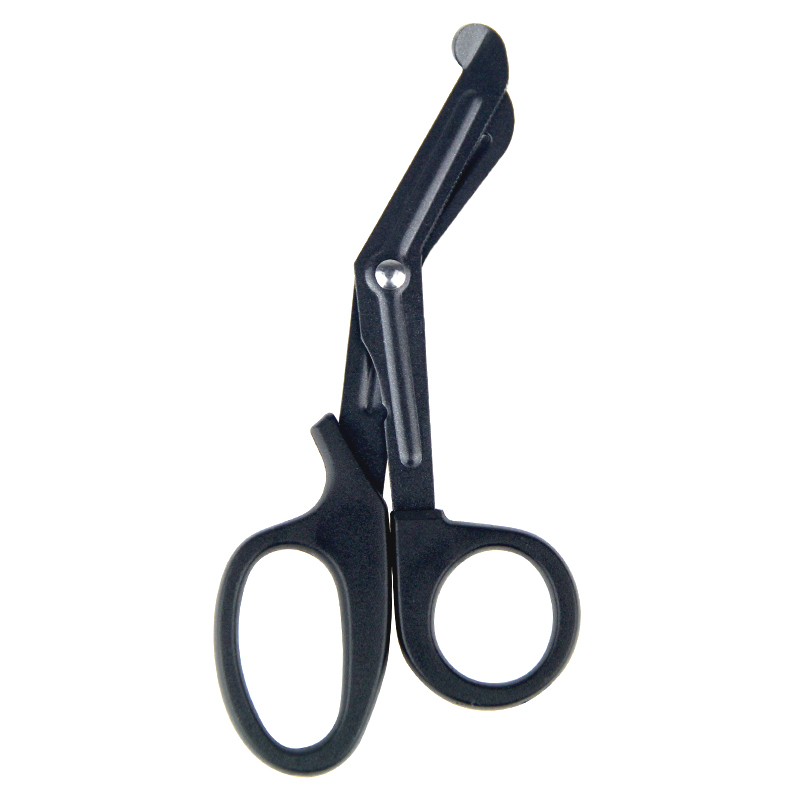
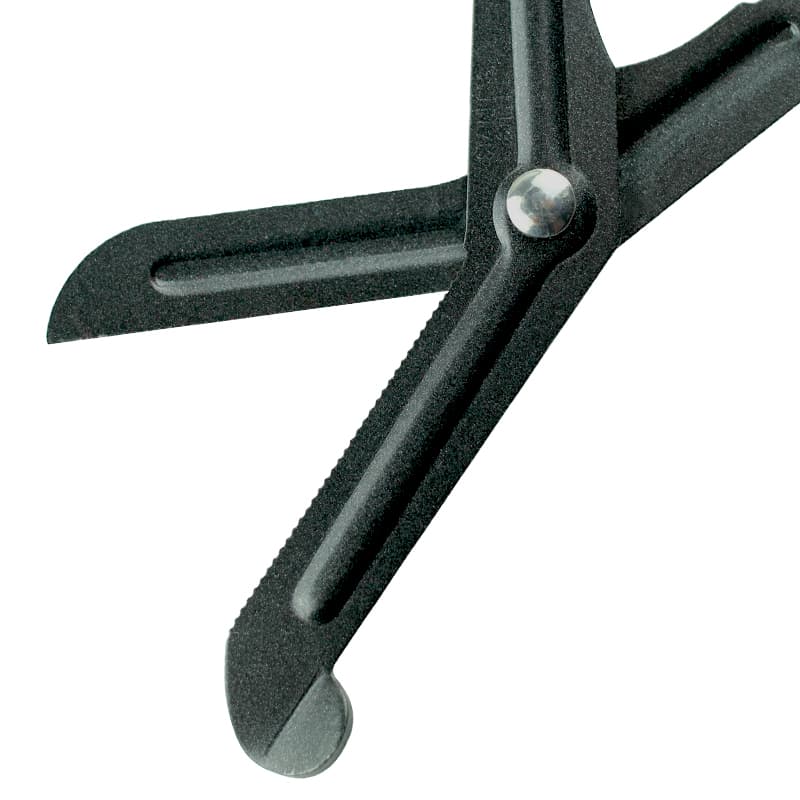
Wenn Sie ungeschnittenes Muskeltape kaufen, können Sie auch unsere Kinesiologie-Tape-Schere kaufen, die sehr scharf ist, abgerundete Ecken hat und bequemer zu tragen ist.
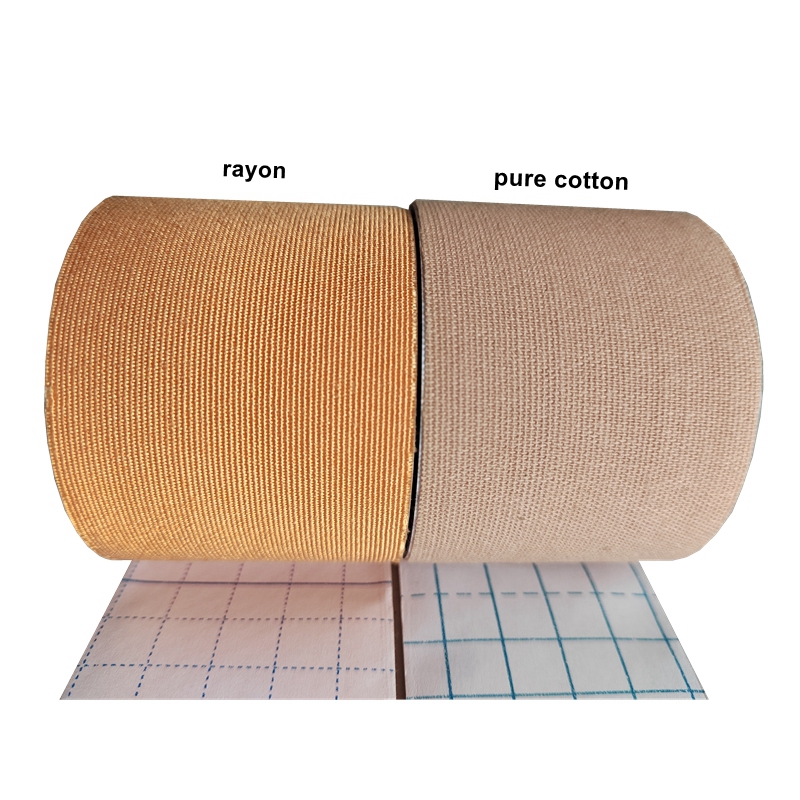
Nachdem Sie sich für eine Art von Kinesiologie-Tape für den Knöchel entschieden haben, müssen Sie das Material auswählen. Im Allgemeinen gibt es drei Arten von Materialien: Am häufigsten wird reines Baumwollmaterial verwendet. Reine Muskelband aus Baumwolle ist atmungsaktiv, bequem und liegt angenehm auf der Haut, genau wie reine Baumwolle. Wie Kleidung aus Baumwolle. Der Nachteil ist, dass es bei langfristiger starker Reibung zu Fusselbildung kommt. Dieses Problem ist jedoch nicht allzu groß, da das Knöchelband in der Regel nicht lange getragen wird und nach dem Training meist durch ein neues ersetzt wird, sodass es unter normalen Umständen keine Auswirkungen hat.
Das zweite Material ist Kunstseide. Dieses Material hat einen besseren Glanz, sieht schöner aus und fusselt nicht. Die Luftdurchlässigkeit ist gleich, und die wasserabweisende Wirkung ist besser. Daher ist Rayon in der Regel etwas teurer.
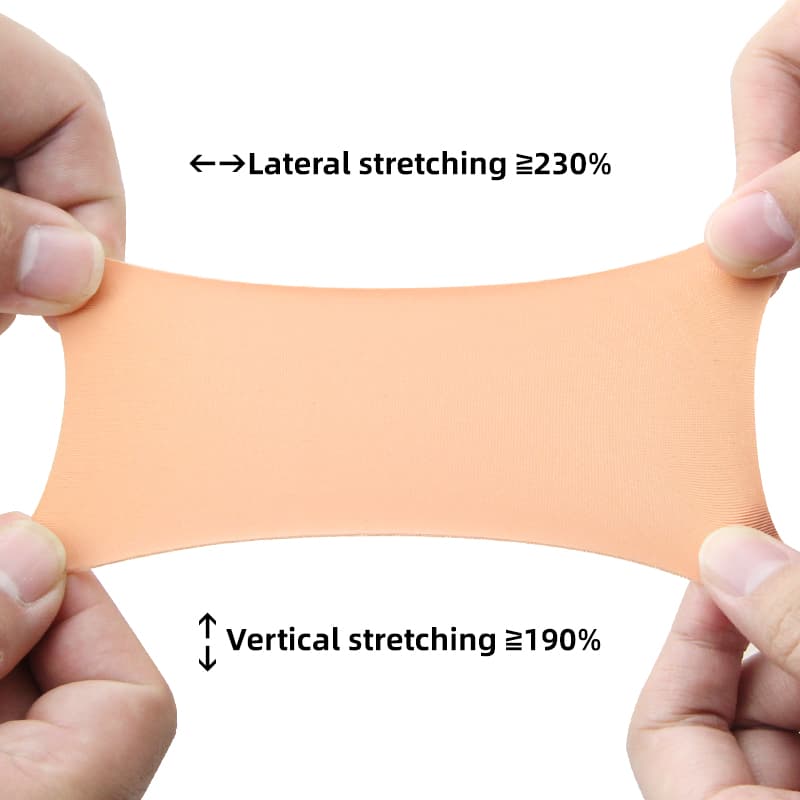
Der dritte Typ besteht aus Nylon. Das aus Nylon hergestellte Kinesiologie-Tape ist weicher und fühlt sich zarter an. Es lässt sich in jede Richtung dehnen, im Gegensatz zu Rayon und Baumwolle, die sich nur vertikal, nicht aber horizontal dehnen lassen. Daher ist Nylon auch das teuerste Material. Der Nachteil besteht darin, dass es aufgrund der zu guten Dehnbarkeit und der zu großen Weichheit nicht leicht zu befestigen ist, sich bei der Anwendung nur schwer positionieren lässt und die Stützwirkung nicht so gut ist wie bei den beiden anderen Materialien.
Worauf sollten wir also neben dem Stil und dem Stoffmaterial noch achten? Richtig, Kleber! !
Die Zusammensetzung des Kinesiologie-Tapes für den Knöchel ist sehr einfach; es besteht aus drei Teilen: dem Grundgewebe, das aus reiner Baumwolle oder Viskose mit 5%-Elasthan-Garn hergestellt wird, sowie dem Klebstoff.
Der Klebstoff ist zudem das wichtigste Material, da er in direkten Kontakt mit der Haut kommt. Aupcon verwendet in der Regel japanischen Acrylkleber, deutschen Henkel-Kleber und UV-Kleber. Wenn Sie geringere Anforderungen an Kinesiologie-Tapes für den Knöchel haben und preisbewusster sind, können wir Ihnen auch Acrylkleber aus heimischer Produktion sowie Schmelzkleber anbieten.
Das Produkt selbst ist völlig unbedenklich, wird jedoch bei verschiedenen Anlässen verwendet. Wenn Ihre Haut eher zu Allergien neigt, empfiehlt es sich, deutschen Henkel-Kleber oder UV-Kleber zu wählen. Von diesen beiden ist der UV-Kleber am allergiearmsten und gehört zur Kategorie der biologischen Klebstoffe; allerdings ist er preislich relativ teuer. Darüber hinaus ist das Kinesiologie-Tape für den Knöchel mit deutschem Henkel-Kleber ebenfalls ein hypoallergenes Tape, hat jedoch den Nachteil, dass seine Klebekraft etwas geringer ist als die von Acrylkleber.
Wenn Sie hohe Anforderungen an die Klebekraft stellen, beispielsweise wenn Sie das Klebeband an Teilen verwenden, die sich nur schwer befestigen lassen, dann empfehle ich Ihnen, japanisches Acryl-Klebeband zu wählen, da dieses die höchste Klebekraft aufweist und sich nicht so leicht löst.
Gleichzeitig können Sie, wenn Sie es nur für kurze Zeit verwenden und den Preis senken möchten, auf Schmelzkleber zurückgreifen. Obwohl seine Viskosität nicht gut ist, ist es billig und für den kurzfristigen Gebrauch geeignet.
Neben den oben genannten Faktoren muss auch die Dicke des Klebebands berücksichtigt werden. Die Dicke der Produkte ist je nach Hersteller unterschiedlich. Das Kinesiologie-Tape von Aupcon Es gibt zwei Arten von Knöchelstrümpfen: die einen sind dick, die anderen dünn. Bei dem dickeren Grundgewebe ist der Stoff dicker, die Maschen sind feiner, die Textur ist besser, die Luftdurchlässigkeit ist etwas schlechter und der Preis ist etwas höher; bei dem dünneren Grundgewebe ist der Stoff dünner, die Luftdurchlässigkeit ist besser, die Textur ist etwas schlechter und der Preis ist relativ niedrig.
So wickelt man den Knöchel mit Kinesiologie-Tape ein?
Jetzt, da Sie wissen, welche Art von Kinesiologie-Tape-Knöchel Sie wollen, wie wird der Knöchel mit Kinesiologie-Tape umwickelt? Sehen wir uns zunächst ein Video an:

Das ist die einfachste Methode, um Kinesiologie-Tape am Knöchel anzubringen; man muss nicht viele Streifen zuschneiden, sondern benötigt nur einen einzigen Streifen.
Zunächst müssen Sie Ihre Füße und Knöchel reinigen. Das ist sehr wichtig, da dies die Haftkraft des Klebers beeinträchtigen kann; wenn sich Schmutz, Wasser oder Öl auf den Füßen befindet, löst sich der Kleber leicht ab. Sie müssen Ihre Füße daher vor der Anwendung waschen und abtrocknen.
Schritt 2: Wenn Sie ein vorgeschnittenes Klebeband in geeigneter Länge haben, können Sie es direkt verwenden, aber wenn Sie nur eine normale ganze Rolle Klebeband haben, müssen Sie es zuerst auf eine geeignete Länge zuschneiden, wenn Sie nicht wissen, wie Lange brauchen Sie, Sie können es gegen Ihren Knöchel halten und dann müssen Sie jede Ecke so filetieren.
Im dritten Schritt müssen Sie das Klebepapier des zugeschnittenen Tapes abreißen und es in drei Abschnitte unterteilen. Die beiden kurzen Klebepapierabschnitte an beiden Enden dienen lediglich der Handhabung; Sie können die Länge also selbst bestimmen, solange Sie das Tape mit den Händen halten können. Wenn Sie nicht wissen, wie lang es sein wird, können Sie einfach bei 5 cm anfangen, es abzureißen. Das Aupcon-Kinesiologie-Tape für den Knöchel hat auf der Rückseite des Klebepapiers eine Rasterlinie mit einer Rastergröße von 1 cm, und es gibt 5 Markierungen. Das Raster beträgt 5 cm.
Der vierte Schritt besteht darin, das Klebeband anzubringen. Sie können ein beliebiges Ende als Startpunkt wählen, die gewünschte Position festlegen und dann das kurze Schutzband an diesem Ende abreißen. Kleben Sie das Ende mit dem Schutzband auf die Haut und streichen Sie sanft darüber, um sicherzustellen, dass das Klebeband und die Haut vollständig aneinander haften. Der Ausgangspunkt im Video ist die Position des Knöchels; von dort aus wickeln Sie das Band in Richtung Ferse, kehren zum Ausgangspunkt zurück und wickeln dann erneut um den Knöchel herum. Halten Sie während des gesamten Vorgangs das Band mit einer Hand fest und streichen Sie mit der anderen Hand sanft darüber, um sicherzustellen, dass das Band fest sitzt.
Dies ist die einfachste Methode zum Kleben am Sprunggelenk. Diese Klebetechnik dient dazu, das Sprunggelenk zu stabilisieren und Verstauchungen vorzubeugen. Es gibt noch weitere Klebetechniken, beispielsweise zur Vorbeugung von Inversion und Valgus usw. Wir werden diese nach und nach ergänzen. Bitte besuchen Sie regelmäßig unsere Website.