Se volete sapere come avvolgere una caviglia con il nastro kinesiologico? Dovete sapere cos'è il nastro kinesiologico e come scegliere il nastro kinesiologico per la caviglia?
Cos'è il nastro kinesiologico alla caviglia
Il nastro kinesiologico alla caviglia è in realtà un nastro adesivo per kinesiologia, Il nastro kinesiologico per caviglie, tagliato in una misura fissa, è particolarmente adatto per avvolgere la caviglia, per cui viene chiamato nastro kinesiologico per caviglie, che ha tutte le caratteristiche del nastro muscolare. Traspirante, appiccicoso e morbido, è un nastro adatto all'uso cutaneo.

Come scegliere la caviglia del nastro kinesiologico?
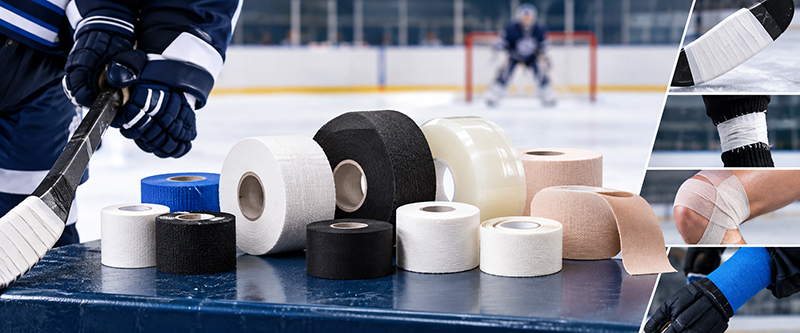
Esistono molti tipi di caviglie con nastro kinesiologico, uno è pretagliato, la maggior parte delle persone lo chiama nastro muscolare pretagliato e l'altro non è tagliato, un rotolo intero, questa è la normale caviglia con nastro kinesiologico.
Per questo è necessario scegliere prima di tutto gli adesivi muscolari di cui si ha bisogno. Già tagliati o non tagliati. Se lo utilizzate all'aperto o sul campo sportivo, vi consiglio di scegliere quello già tagliato, perché può essere utilizzato direttamente strappandolo senza tagliarlo. Dopotutto, è molto scomodo portare le forbici in molte occasioni. Naturalmente, se non vi crea problemi, potete scegliere anche quello non pretagliato, il cui prezzo sarà leggermente inferiore.
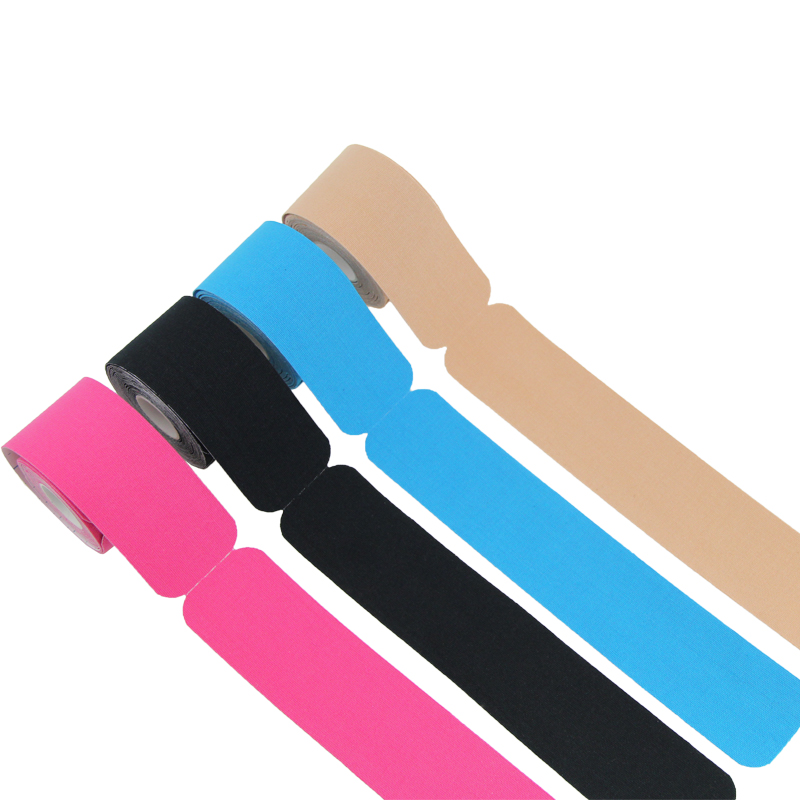
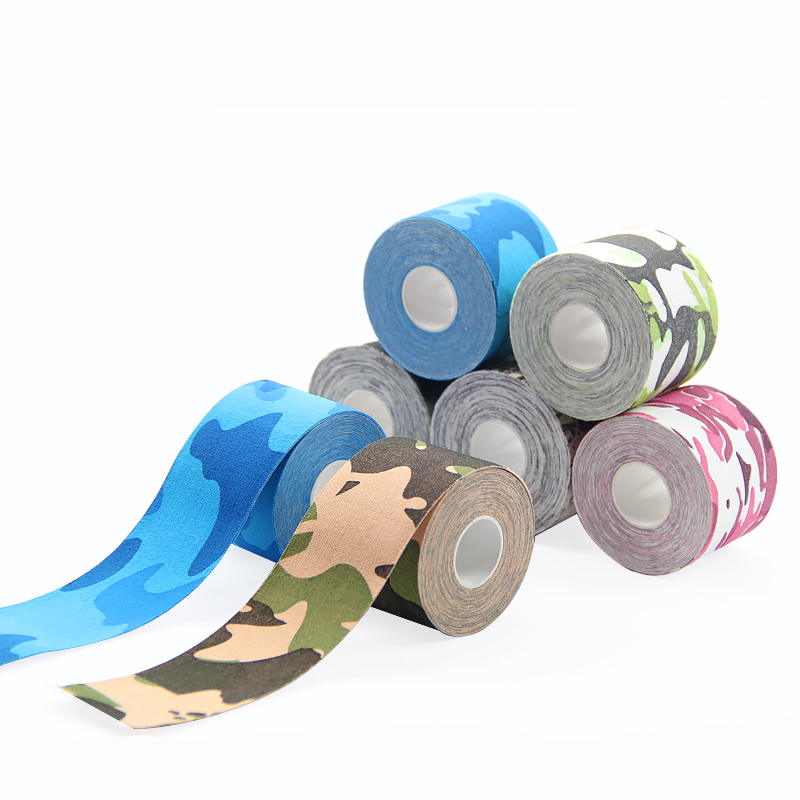
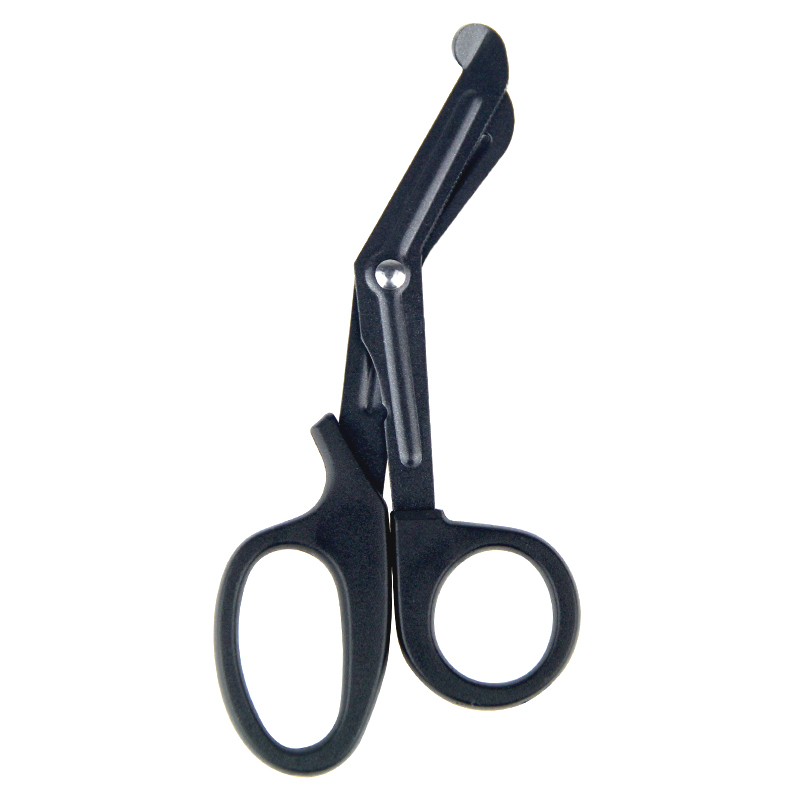
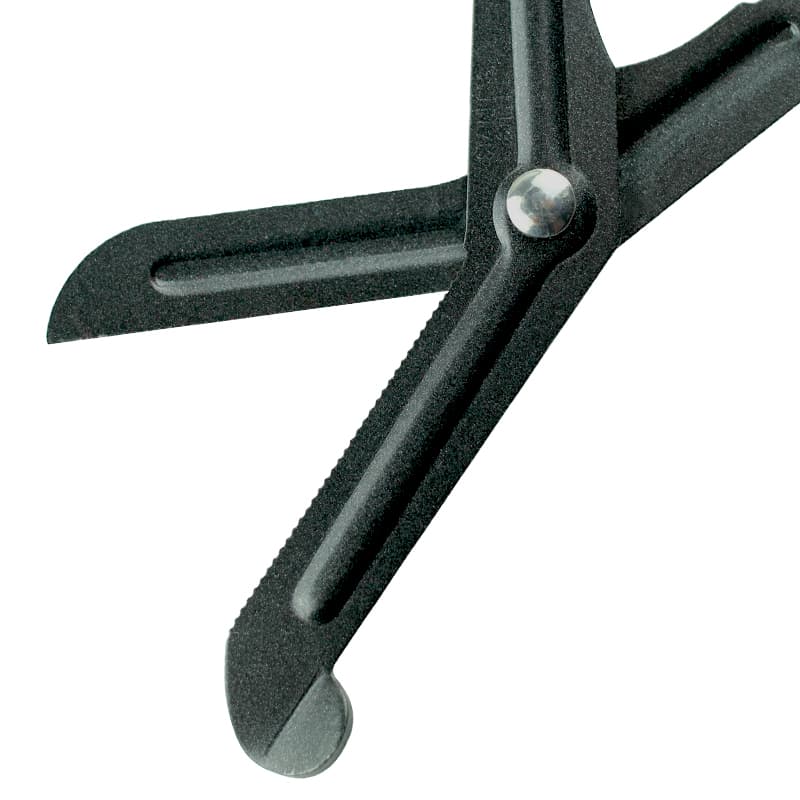
Se acquisti un nastro muscolare non tagliato, puoi anche scegliere di acquistare le nostre forbici per nastro kinesiologico, che sono molto affilate, con angoli arrotondati e sono più comode da trasportare.
Dopo aver scelto lo stile del nastro kinesiologico per caviglie, è necessario scegliere il materiale. Esistono generalmente tre tipi di materiali: il più comune è il materiale in puro cotone. Puro nastro muscolare in cotone è traspirante, confortevole e ha una maggiore affinità con la pelle, proprio come il cotone puro. Come i vestiti di cotone. Lo svantaggio è che lo sfregamento intenso a lungo termine provoca la formazione di pelucchi, ma il problema non è troppo grave, perché il nastro per caviglie non viene indossato per molto tempo e di solito viene sostituito con uno nuovo dopo l'esercizio, quindi non ha alcun effetto in circostanze normali.
Il secondo materiale è rayon. Questo materiale è più lucido, ha un aspetto più bello e non si sfalda. La permeabilità all'aria è la stessa e l'effetto impermeabile è migliore. Per questo motivo, il rayon è solitamente un po' più costoso.
Il terzo tipo è costituito da nylon. Il nastro kinesiologico in nylon è più morbido e delicato al tatto. Può essere teso in qualsiasi direzione, a differenza del rayon e del cotone, che possono essere tesi solo in verticale ma non in orizzontale. Il materiale in nylon è quindi anche il più costoso. Lo svantaggio è che, poiché l'effetto di allungamento è troppo buono e troppo morbido, non è facile da fissare, non è facile da posizionare quando si usa, e il supporto non è buono come gli altri due materiali.
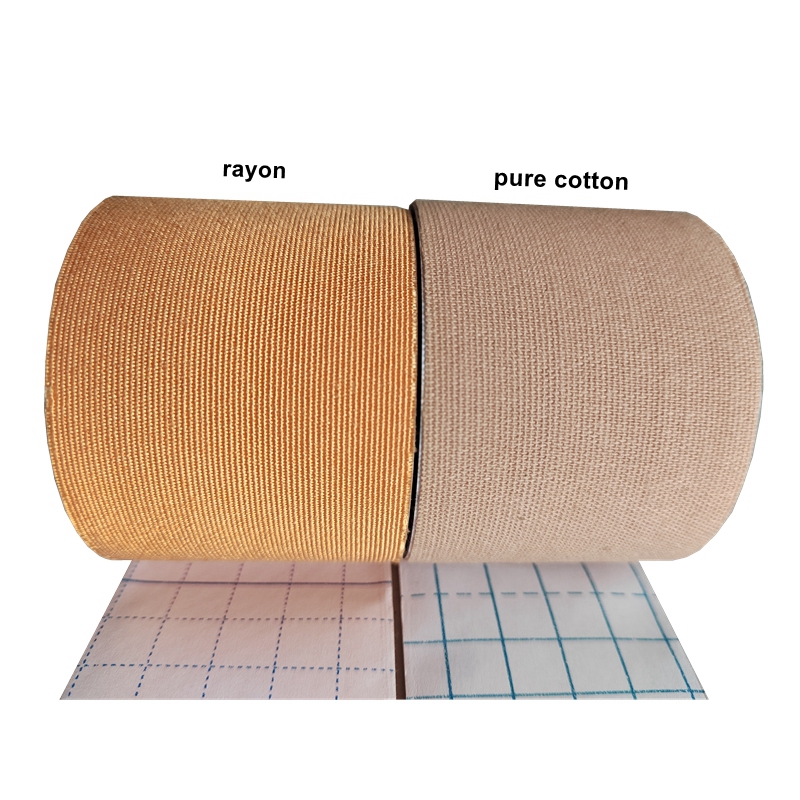
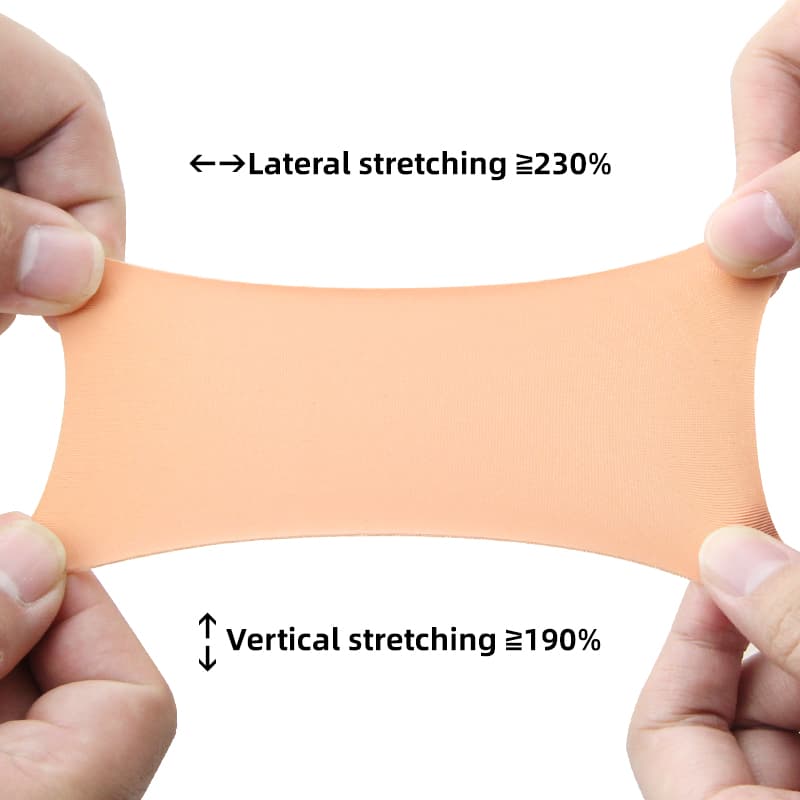
Quindi, oltre allo stile e al materiale del tessuto, a cos'altro dovremmo prestare attenzione? Esatto, colla! !
Il materiale del nastro kinesiologico alla caviglia è molto semplice; è diviso in tre parti: il tessuto di base, che è fatto di puro cotone o rayon con filo di spandex 5%, e l'altro materiale è la colla.
La colla è anche il materiale più importante perché è a diretto contatto con la pelle. Aupcon utilizza generalmente colla acrilica giapponese, colla tedesca Henkel e colla UV. Se avete esigenze inferiori per il nastro kinesiologico alla caviglia e siete più sensibili al prezzo, possiamo anche fornirvi adesivo acrilico nazionale e adesivo a caldo.
Il prodotto in sé non presenta problemi, ma viene utilizzato in occasioni diverse. Se la pelle è più soggetta ad allergie, si consiglia di scegliere la colla tedesca Henkel e la colla UV. Tra queste, la colla UV è la meno allergenica, ma è una sorta di colla biologica; il prezzo sarà relativamente alto. Inoltre, anche il nastro kinesiologico alla caviglia con colla Henkel tedesca è un nastro ipoallergenico, ma ha lo svantaggio di avere una viscosità leggermente inferiore a quella della colla acrilica.
Se avete esigenze elevate di adesività, ad esempio se lo utilizzate su parti non facili da fissare, vi consiglio di scegliere il nastro adesivo acrilico giapponese, perché ha la massima adesività e non si stacca facilmente.
Allo stesso tempo, se lo usi solo per poco tempo e vuoi abbassare il prezzo, puoi scegliere l'adesivo hot melt. Sebbene la sua viscosità non sia buona, è economica e adatta per un uso a breve termine.
Oltre a questi fattori, occorre considerare anche lo spessore del nastro. Lo spessore dei prodotti di ciascun produttore è diverso. Nastro kinesiologico Aupcon La caviglia si divide in due tipi: uno spesso e l'altro sottile. Il tessuto di base più spesso è più spesso, i punti sono più fini, la struttura è migliore, la permeabilità all'aria è leggermente peggiore e il prezzo è un po' più alto; il tessuto di base più sottile è più sottile, la permeabilità all'aria è migliore, la struttura è leggermente peggiore e il prezzo è relativamente basso.
Come avvolgere la caviglia con il nastro kinesiologico?
Ora che sai che tipo di nastro kinesiologico vuoi, come avvolgere la caviglia con il nastro kinesiologico? Per prima cosa guardiamo un video:

Questo è il modo più semplice per attaccare il nastro kinesiologico alla caviglia; non è necessario tagliare molte strisce, basta una sola striscia per completarlo.
Innanzitutto, è necessario pulire i piedi e le caviglie. È molto necessario perché può influire sull'adesività della colla; se sui piedi c'è sporco, acqua o olio, la colla si staccherà facilmente. È quindi necessario lavare e asciugare i piedi prima di utilizzarla.
Passaggio 2: se si dispone di un nastro pretagliato di lunghezza adeguata, è possibile utilizzarlo direttamente, ma se si dispone solo di un normale rotolo intero di nastro, è necessario prima tagliarlo a una lunghezza adeguata, se non si sa come lungo che ti serve, puoi tenerlo contro la tua caviglia e poi devi raccordare ogni angolo, in questo modo.
Nella terza fase, è necessario strappare la carta adesiva del nastro tagliato e dividerlo in tre sezioni. Le due sezioni corte di carta adesiva alle due estremità sono per comodità, quindi potete decidere voi stessi la lunghezza, a patto che le vostre mani riescano a tenerla. Se non sapete quanto sarà lungo, potete iniziare a strapparlo da 5 cm. La caviglia del nastro kinesiologico di Aupcon ha una linea di griglia sulla carta adesiva posteriore, una dimensione di griglia di 1 cm e 5 pezzi. La griglia è di 5 cm.
Il quarto passo consiste nell'attaccare il nastro. Si può scegliere un'estremità qualsiasi per iniziare, determinare la posizione in cui si vuole attaccare, quindi strappare il nastro di supporto corto a quell'estremità, attaccare l'estremità con il nastro di supporto sulla pelle e strofinare delicatamente per assicurarsi che il nastro e la pelle siano completamente aderenti. Il punto di partenza nel video è la posizione dell'osso della caviglia, poi si avvolge in direzione del tallone, si torna al punto di partenza e si fa un altro giro. Durante l'intero processo, tenere il nastro con una mano e strofinarlo delicatamente con l'altra per assicurarsi che il nastro sia più resistente.
Questo è il metodo più semplice di fissaggio della caviglia. La sua funzione è quella di fissare la caviglia e prevenire le distorsioni. Esistono altri metodi di incollaggio, come la prevenzione dell'inversione e del valgismo, ecc. Li aggiorneremo uno dopo l'altro. Vi invitiamo a prestare attenzione al nostro sito web.